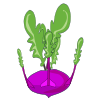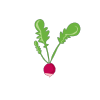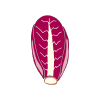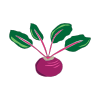
Beetroot is a hardy root vegetable valued for its deep red-purple color, earthy sweetness, and versatility in the kitchen. The plant produces a rounded, swollen root beneath the soil and a rosette of broad, tender green leaves above ground, which are also edible and nutritious. While the most common varieties are dark red, beetroot can also be golden, pink, or striped.
Thriving in cool to mild conditions, beetroot grows quickly and reliably in well-drained soil. It is rich in fibre, vitamins, and natural antioxidants, and can be enjoyed raw, roasted, boiled, pickled, or juiced. Both the root and leaves make beetroot a productive and valuable crop for home gardens and farms alike.
How To Grow
-
Choose the Right Location Beetroot grows best in full sun, but tolerates partial shade. It prefers cool to mild temperatures. Use well-drained, loose soil so roots can develop evenly.
-
Prepare the Soil Remove stones and clumps from the soil. Mix in compost or well-rotted organic matter. Avoid fresh manure, which can cause misshapen roots.
-
Planting Sow seeds directly outdoors from early spring to late summer. Plant seeds about 2–3 cm (1 inch) deep. Space seeds 5–10 cm (2–4 inches) apart in rows 25–30 cm (10–12 inches) apart. Each “seed” is actually a cluster and may produce multiple seedlings.
-
Thinning Once seedlings are a few centimeters tall, thin them to 10 cm (4 inches) apart. Thinned seedlings can be eaten as baby greens.
-
Watering Water regularly to keep soil evenly moist. Inconsistent watering can cause woody or cracked roots.
-
Feeding Beetroot doesn’t need heavy feeding. A light feed with a balanced fertilizer is enough if soil is fertile.
-
Care Keep the bed weed-free. Mulch to retain moisture and keep roots cool.
Beetroot grows quickly and is usually ready to harvest in 8–10 weeks, making it an excellent crop for beginners.
Harvesting
-
When to Harvest Beetroot is usually ready 8–10 weeks after sowing. Harvest when roots are about golf-ball to tennis-ball size for the best flavour. Smaller roots are tender and sweet; larger ones can become woody.
-
How to Harvest Loosen the soil gently with a fork. Grasp the leaves near the base and pull the root out carefully. Avoid damaging nearby roots if you plan to leave them growing.
-
Harvesting Leaves Young beetroot leaves can be harvested earlier as baby greens. Only take a few leaves from each plant so the root continues to grow.
-
After Harvest Care Twist off the leaves, leaving about 2–3 cm (1 inch) of stem to prevent bleeding. Brush off excess soil—do not wash if storing. Store roots in a cool, dark place.
-
Succession Harvesting Harvest beetroot as needed rather than all at once. Regular harvesting encourages consistent growth and quality.
Harvesting beetroot at the right size ensures tender texture, rich flavour, and excellent storage life.
Common Problems
Common Problems with Beetroot
Pests
Aphids Blackfly can colonise young leaves and stems, causing distortion and weakening the plant. Encourage natural predators such as ladybirds, or use a strong water spray to dislodge them. Avoid over-feeding with nitrogen, which promotes soft, attractive growth.
Leaf Miners The larvae of beet leaf miners tunnel inside the leaves, creating pale, blister-like trails. Remove and destroy affected leaves promptly. Covering plants with fine mesh netting can prevent adult flies from laying eggs.
Slugs and Snails Young seedlings are particularly vulnerable. Use copper barriers, wildlife-friendly pellets, or go out at night to collect and remove them by hand.
Diseases
Downy Mildew Yellow patches on upper leaf surfaces with grey-purple mould beneath indicate downy mildew. Improve air circulation by thinning plants, avoid wetting foliage when watering, and remove affected leaves.
Cercospora Leaf Spot Circular brown or grey spots with a reddish-purple halo appear on leaves. This fungal disease spreads in warm, humid conditions. Remove infected foliage and rotate crops each year to reduce the build-up of spores in the soil.
Root Rot Waterlogged or compacted soils can cause roots to rot. Ensure good drainage and avoid overwatering. Crop rotation is important to prevent recurrence.
Physiological Issues
Bolting Beetroot may bolt (run to seed prematurely) when exposed to cold spells after germination or during hot, dry conditions. Use bolt-resistant varieties and avoid early sowing in cold, unsettled weather.
Forked or Misshapen Roots Caused by stony soil, fresh manure, or obstacles underground. Always prepare the bed thoroughly, removing stones and incorporating well-rotted compost rather than fresh manure.
Pale or Yellowing Leaves Often a sign of boron deficiency, which also causes internal blackening of the root (known as heart rot). Apply a balanced fertiliser containing trace elements or use a borax solution at the recommended rate.
Woody Roots Leaving roots in the ground too long or harvesting during very hot weather can result in coarse, fibrous roots. Harvest regularly at golf-ball to tennis-ball size for the best quality.