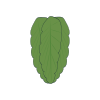
Romaine lettuce, also known as Lactuca sativa var. longifolia, is a popular variety of leafy green commonly used in salads and sandwiches. It features long, upright leaves with a firm central rib and a crisp texture. The leaves are typically medium to dark green and have a slightly bitter, yet refreshing flavour. Unlike softer lettuces, romaine maintains its structure well, making it ideal for hearty dishes like Caesar salad. It's low in calories and a good source of vitamins A, C, and K, as well as folate and fiber. Romaine can be eaten raw or lightly grilled for a smoky twist. Its crunchy texture and nutritional value make it a staple in both home kitchens and professional culinary settings.
How To Grow
-
Choose the Right Location Sunlight: Romaine lettuce prefers full sun but can tolerate partial shade, especially in hot climates. Soil: Well-draining, fertile soil rich in organic matter. A pH between 6.0 and 6.8 is ideal.
-
When to Plant Cool-season crop: Plant in early spring or late summer for a fall harvest. Temperature: Best grown in temperatures between 45°F and 75°F (7°C–24°C).
-
Starting Seeds Direct sow: Plant seeds 1/4 inch deep directly into the garden. Spacing: Thin seedlings to 6–8 inches apart; rows should be about 12–18 inches apart. Germination: Seeds sprout in 7–14 days.
-
Caring for Your Romaine Watering: Keep the soil consistently moist but not waterlogged. Lettuce has shallow roots and needs regular watering. Mulching: Use mulch to retain moisture and keep the soil cool. Fertilizing: Use a balanced, nitrogen-rich fertilizer if needed—especially in poor soil.
-
Pest & Disease Control Watch for: Aphids, slugs, snails, and cutworms. Prevent diseases: Avoid overhead watering and practice crop rotation to prevent fungal issues.
Harvesting
- Harvesting the Whole Head When to harvest: About 60–75 days after planting, when the head is firm and about 6–8 inches tall.
How to do it: Use a sharp knife or garden shears. Cut the head at the base, just above the soil. Leave the root in the ground—some plants may regrow small heads if conditions are right.
- Harvesting Leaf-by-Leaf (Cut-and-Come-Again) When to harvest: Once the outer leaves are large enough to use, usually 30–40 days after planting.
How to do it: Gently snap or cut the outer leaves 1 inch above the base. Leave the inner leaves and core to keep growing. This method allows for a longer harvest period and multiple cuttings.