Often referred to as the "utility player" of the produce aisle, the spring onion is a versatile allium that bridges the gap between the bite of a mature onion and the mildness of a chive.
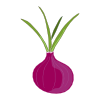
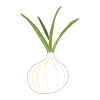
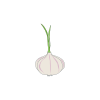
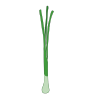
What Exactly Is It? Technically, spring onions are onions harvested at a teenage stage. They are more mature than scallions (which have straight sides) but younger than the bulb onions you use for soup bases. You can identify them by their distinct, small, white spherical bulbs at the base and long, hollow green stalks.
Flavor Profile The spring onion offers a two-for-one deal on flavor:
The Bulb: Has a crisp texture and a sweet, pungent flavor that mellows significantly when cooked.
The Greens: Tastes fresh and grassy with a very subtle "zip"—perfect for garnishing
How To Grow
Growing spring onions is widely considered one of the easiest "wins" in home gardening. They are fast, take up very little space, and can be grown in three different ways depending on your level of patience.
- The "Kitchen Hack" Way (Regrowing Scraps) This is the fastest method and perfect for windowsills.
The Setup: When you use spring onions from the store, leave about 1 inch of the white bulb with the roots attached.
The Water Method: Place them root-side down in a small glass with enough water to cover the roots but not the top of the bulb. Change the water daily.
The Soil Method: Plant the scraps in a small pot of compost. They will grow stronger and last longer than those in water.
Harvest: You’ll see new green shoots in as little as 3–5 days.
- The Beginner’s Choice (Using "Sets") "Sets" are baby onion bulbs that have already started their growth journey.
When to Plant: March to April is ideal.
How: Push the sets into the soil so just the very tip is poking out. Space them about 2 inches apart.
Why choose this: It’s almost foolproof and they are more resistant to pests than seeds.
- The Pro Way (From Seed) Growing from seed is the cheapest method and gives you access to fun varieties like the purple-skinned 'Apache'.
Sowing: From March to August, sow seeds directly into the ground or a pot. Make a shallow line (a "drill") about 1cm deep.
Spacing: Sprinkle seeds thinly. You don’t need to be perfect; you can "thin them out" (pull some out) later if they get too crowded.
Succession Planting: To have onions all summer, sow a new small batch every 3 weeks.
Vital Signs for Success Sunlight: They love a sunny spot but can handle a little partial shade.
Water: Keep the soil moist but never "swampy." Because they have shallow roots, they dry out quickly in hot weather.
Containers: They thrive in pots! Just ensure the pot is at least 6 inches deep and has drainage holes.
Weeding: Onions hate competition. Keep the area around them clear of weeds so they don't have to fight for nutrients.
Troubleshooting: "Bolting"
If your onion suddenly grows a thick, hard stalk with a flower on top, it has "bolted." This usually happens due to heat stress or sudden cold snaps. If this happens, harvest it immediately—the bulb is still edible, but it will stop growing and become tough if left too long
Harvesting
Harvesting spring onions is less of a "grand event" and more of a "pick-as-you-go" process. Unlike big storage onions that need to be cured in the sun, spring onions are best eaten fresh and crisp.
Here is how to tell when they are ready and the best way to pull them up.
Timing Your Harvest You can technically harvest a spring onion at any stage once it reaches your desired size, but here are the standard benchmarks:
The "Pencil" Rule: The most common time to harvest is when the base of the onion is roughly the thickness of a pencil or a thumb.
Height: Usually, the green tops will be between 6 and 10 inches tall.
Days Since Planting: If you grew them from seed, this is typically 8–12 weeks after sowing.
The "Ease-and-Lift" Technique Because spring onions have relatively delicate stems, you shouldn't just grab the greens and yank. You might end up with a handful of leaves and the bulb still stuck in the dirt.
Loosen the Soil: Use a hand fork or a trowel to gently loosen the soil around the base of the onions.
Grip Low: Hold the plant as close to the white bulb as possible.
Lift Vertically: Pull straight up. If the soil is dry and stubborn, water the patch about 20 minutes before harvesting to make the exit smoother.
The "Thinning" Strategy: If you planted your seeds close together, harvest every other onion. This leaves more "elbow room" for the remaining onions to grow even larger bulbs.
Post-Harvest Care Cleaning: Shake off the loose dirt immediately. Avoid washing them until you are ready to use them, as moisture trapped in the layers can lead to slime in the fridge.
Trimming: Trim the tiny "beard" of roots off the bottom and remove any yellowed or withered outer leaves.
The "Perpetual" Method: If you only need the greens for a garnish, you can simply snip off the top half of the green leaves with scissors. Leave the bulb in the ground, and it will continue to grow new leaves for several weeks.
A Quick Tip on Flavor The longer you leave them in the ground, the stronger and more "oniony" the flavor becomes. If you prefer a very mild, sweet taste, harvest them while the bulbs are still slim and straight