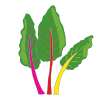
Swiss chard is the "renaissance plant" of the vegetable garden—it’s stunningly beautiful, incredibly hardy, and tastes like a more sophisticated version of spinach.
While it’s often mistaken for a kale relative, it is actually a member of the beet family. However, instead of putting its energy into growing a bulbous root, it focuses on producing massive, glossy leaves and thick, crunchy stalks.
Appearance and Varieties Swiss chard is famous for its vibrant colors. Depending on the variety, the stalks can look like they were dipped in neon paint:
Rainbow Chard: A mix of plants with stalks in shades of crimson, gold, orange, pink, and white.
Fordhook Giant: The classic variety with thick white stalks and deep green, crinkled leaves.
Ruby Red: Features deep translucent red stalks and veins that contrast beautifully against dark foliage.
Flavor Profile Think of Swiss chard as a two-for-one vegetable:
The Leaves: These have a mild, earthy flavor similar to spinach but with a slightly more "mineral" or salty undertone. They are tender and wilt down quickly when heated.
The Stalks: These have a texture similar to celery but a flavor closer to a very mild, sweet beet. They require a bit more cooking time than the leaves.
Nutritional Powerhouse It’s not just a pretty face; Swiss chard is one of the most nutrient-dense greens you can eat. It is exceptionally high in:
Vitamin K: Essential for bone health and blood clotting.
Vitamin A & C: Powerful antioxidants for immune support.
Magnesium and Potassium: Great for heart health and blood pressure regulation.
Culinary Uses Swiss chard is incredibly versatile. You can use it in:
Sautés: Tossed with garlic, olive oil, and a squeeze of lemon.
Soups and Stews: It holds its shape better than spinach in a long simmer.
Gratins: The stalks are excellent when baked in a creamy cheese sauce.
Wraps: Large leaves can be used as a low-carb alternative to tortillas.
Pro Tip: If you're cooking chard, start the chopped stalks in the pan first. Give them about 4–5 minutes to soften before adding the leaves, which only need about 60 seconds to wilt
How To Grow
Swiss chard is famously "un-fussy." It’s more heat-tolerant than spinach and more cold-hardy than most lettuces, making it a perfect crop for beginners and seasoned gardeners alike.
Here is how to take it from seed to harvest.
- Timing and Location When to Plant: Swiss chard loves cool weather but can handle the heat. Plant seeds 2–3 weeks before the last frost in spring. You can also plant a second crop in late summer for a fall harvest.
Sunlight: It prefers full sun (6+ hours) but is one of the few vegetables that will actually produce well in partial shade.
Soil: Aim for well-draining soil rich in organic matter. Chard likes a slightly acidic to neutral pH (around 6.0 to 7.0).
- Planting the Seeds Swiss chard "seeds" are actually small clusters (seed balls) that contain 2–3 individual seeds.
Depth: Plant seeds about 1/2 inch deep.
Spacing: Space seeds 2–4 inches apart initially. Once they are a few inches tall, thin them to 6–12 inches apart.
Don't Waste Thinnings: The little plants you pull out to create space are delicious—toss them right into a salad!
- Care and Maintenance Watering: Keep the soil consistently moist. If the soil dries out too much, the plant may "bolt" (go to seed) and the leaves will turn bitter.
Mulching: Add a layer of straw or compost around the base to retain moisture and keep the leaves clean from splashing dirt.
Feeding: If your soil is decent, chard doesn't need much. A quick dose of nitrogen-rich organic fertilizer mid-season will keep those leaves huge and lush.
- Harvesting You can start harvesting as soon as the leaves are large enough to eat (baby greens), usually around 45–60 days after planting.
The "Cut and Come Again" Method: This is the best way to grow chard. Instead of pulling the whole plant, snip off the outer leaves near the base with shears.
Leave the Heart: Always leave the inner, tiny leaves in the center (the "crown") intact. The plant will continue to push out new growth from the center all season long.
Longevity: In many climates, Swiss chard will grow from early spring right through the first few light frosts of winter
Harvesting
To harvest Swiss chard successfully, the goal is to keep the plant "alive and productive" rather than treating it as a one-and-done crop. Because it grows from the center out, you can harvest the same plant for months.
When to Start Baby Greens: 30–35 days after planting (leaves should be 3–4 inches long).
Mature Leaves: 50–60 days after planting (leaves should be 6–12 inches long).
The Best Method: "Cut and Come Again" This technique ensures your plant keeps producing fresh foliage until the first hard freeze (or even through winter in mild climates).
Select the Outer Leaves: Always pick the oldest, largest leaves on the outside of the plant first.
Protect the Heart: Never cut the small, upright leaves in the very center (the "crown"). This is the growing point; if you damage it, the plant will stop producing.
The Technique: * The Cut: Use clean garden shears or a knife to cut the stalk about 1–2 inches above the soil.
The Twist: Alternatively, you can grab the stalk near the base and tug downward and outward with a quick snap. This usually breaks the stalk cleanly away from the base.
Quantity: Never take more than one-third of the plant's total leaves at one time. This leaves enough "solar panels" for the plant to recover and grow more.
A Note on "Thinnings" If you planted your seeds too close together, your first harvest will actually happen when the plants are only 2 inches tall. Instead of just pulling the extras and tossing them, snip them at the soil level. These "micro-chard" leaves are incredibly tender and are a gourmet addition to salads.
Storage and Aftercare Best Time to Pick: Harvest in the morning while the leaves are still crisp and full of moisture from the night.
Washing: Wait to wash the leaves until you are ready to eat them. Moisture is the enemy of storage; it causes the leaves to turn to "slime" in the fridge.
In the Fridge: If you must store them, wrap them loosely in a damp paper towel and place them in a perforated plastic bag in the crisper drawer. They will stay fresh for about 3–5 days.
Pro Tip: If your chard starts to look a bit wilted after a few days in the fridge, trim the bottom of the stalks and stand them in a glass of cold water (like flowers) for 30 minutes. They will crisp right back up
Common Problems
Swiss chard is generally robust but is susceptible to a handful of common issues.
Pests
Leaf Miners
The larvae of leaf miner flies tunnel between the upper and lower surfaces of leaves, creating pale, winding trails or blister-like patches. Remove and destroy affected leaves promptly. Covering plants with fine insect mesh is the most effective preventive measure.
Aphids
Clusters of small, soft-bodied insects may colonise the undersides of leaves or cluster around new growth. Knock them off with a strong jet of water or treat with an insecticidal soap spray. Encouraging natural predators such as ladybirds (ladybugs) and lacewings helps keep populations in check.
Slugs and Snails
Young seedlings are particularly vulnerable. Use physical barriers such as copper tape, crushed eggshells, or grit around plants. Slug traps and evening patrols are effective controls.
Flea Beetles
These tiny beetles create small round holes in leaves. They are most problematic on young plants. Covering with fleece or insect mesh and keeping seedlings well-watered reduces stress and damage.
Diseases
Downy Mildew
Grey-purple fuzzy patches on the undersides of leaves, often with yellowing on the upper surface. Caused by cool, humid conditions with poor air circulation. Improve spacing, avoid overhead watering, and remove affected foliage.
Cercospora Leaf Spot
Circular brown or tan spots with a reddish-purple border appear on older leaves. Remove infected leaves, avoid wetting foliage when watering, and rotate crops each season to reduce soil-borne inoculum.
Powdery Mildew
A white powdery coating on the leaf surface, usually appearing in warm, dry weather with cool nights. Improve air circulation by spacing plants adequately and water at the base of the plant.
Bolting
Bolting (running to seed prematurely) is triggered by heat stress, prolonged drought, or a period of cold followed by warming. Once a plant bolts, the leaves become bitter and tough. Keep soil consistently moist, mulch well, and sow at the correct time of year. Some varieties are more bolt-resistant than others.
Nutritional Deficiencies
Yellowing leaves may indicate nitrogen deficiency, while pale or distorted growth can point to iron or magnesium deficiency, often linked to overly acidic or waterlogged soil. Maintain a soil pH of 6.0–7.0 and enrich with well-rotted compost before planting.