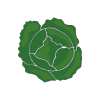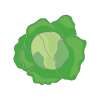
Spring cabbage is the "early bird" of the brassica family, arriving as a much-needed splash of vibrant green when most other garden vegetables are still dormant. Unlike the dense, heavy cannonballs of winter cabbage, spring varieties are prized for their tender texture and pointed, conical shape.
Here is everything you need to know about this seasonal delicacy:
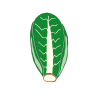
Appearance and Texture Shape: Often referred to as "pointed" or "heart" cabbage because of its distinctive tapered head.
Leaves: The leaves are looser and more open than summer or winter varieties. They have a bright, emerald-green color and a delicate, almost buttery crunch.
Size: Generally smaller and lighter, making them perfect for single-meal use without taking up half your fridge.
Flavour Profile Spring cabbage is notably sweeter and milder than its robust cousins. It lacks the harsh, sulfurous punch often associated with overcooked winter cabbage. Because it is harvested while the leaves are still young, it has a fresh, "grassy" sweetness that pairs beautifully with simple seasonings.
Best Ways to Enjoy It Because the leaves are so tender, spring cabbage requires very little cooking time. Overdoing it is the only way to ruin it
How To Grow
Growing spring cabbage requires a bit of "backward" thinking—unlike most vegetables, you sow it in late summer so it can survive the winter and hit the ground running as soon as the weather warms up.
Here is the step-by-step guide to growing a successful crop.
- Timing: The "Overwintering" Schedule Spring cabbage is actually a slow-maturing crop. To get that early spring harvest, you must follow this timeline:
Sow: Late July to August.
Plant Out: September to October (once seedlings have 4–6 true leaves).
Harvest: March to May the following year.
- Sowing and Soil Prep Method: It is best to sow in modular trays (seed trays with individual cells). This minimizes root disturbance when you move them later.
Soil Type: They love firm, fertile soil with a neutral to slightly alkaline pH (6.5–7.5). If your soil is acidic, adding a bit of garden lime a few weeks before planting helps prevent "Club Root" disease. +1
Preparation: Dig in well-rotted compost or manure a few months before planting. Just before you transplant, tread the soil down with your heels—cabbages like a very firm footing to help them resist winter winds.
- Planting and Spacing The Depth: Plant your seedlings deep, so the lowest leaves are just above the soil line.
Spacing:
For "Spring Greens": Space them 10–15cm apart. You’ll harvest the leaves young before they form a heart.
For "Hearted" Cabbage: Space them 30–45cm apart to give the heads room to swell.
The "Half-and-Half" Trick: Many gardeners plant them 15cm apart, then harvest every other plant as "greens" in March, leaving the remaining ones to grow into full heads for April/May.
- Winter Care Earthing Up: In late autumn, draw the soil up around the base of the stems (making a small mound). This prevents the plants from rocking and loosening in the wind.
Feeding: They don't need much food in the winter, but a high-nitrogen liquid feed or a sprinkle of chicken manure pellets in late February will give them the "fuel" they need for their spring growth spurt.
- Pest Protection (Crucial!) Cabbages are the "chocolate" of the garden—everyone wants a bite.
Pigeons: They will shred cabbage leaves in winter when other food is scarce. Use netting or a fruit cage to keep them off.
Cabbage White Butterfly: Use a fine mesh (like Enviromesh) to prevent them from laying eggs. Even in late summer, caterpillars can be a problem.
Cabbage Root Fly: Use "cabbage collars" (small cardboard discs) around the base of the stem to stop flies from laying eggs in the soil
Harvesting
Harvesting spring cabbage is a two-stage process. Depending on how much patience you have, you can treat them as "spring greens" (loose leaves) or wait for them to form "hearts" (pointed heads).
Here is the best way to approach your harvest:
- When to Harvest For Spring Greens (March/April): You can start harvesting as soon as the plants are large enough to provide a decent handful of leaves. They won't have a solid center yet. This is often done by "thinning"—harvesting every other plant in the row to give the remaining ones space to grow.
For Hearted Cabbage (April/May): Wait until the center of the cabbage feels firm and solid when you give it a gentle squeeze. If it feels soft or "hollow," let it grow for another week or two.
- The Technique The Cut: Use a sharp garden knife to cut through the main stem about 5cm (2 inches) above the soil level.
The Angle: Try to make a clean, horizontal cut.
Time of Day: Harvest in the early morning if possible. This is when the leaves are at their most hydrated and crisp. If you harvest in the heat of the day, they may wilt quickly.
- The "Second Harvest" Trick One of the best things about spring cabbage is that the plant often wants to keep giving. Don't pull the stump out of the ground!
The Cross Cut: After you’ve removed the main head, use your knife to cut a deep "X" (about 1cm deep) into the top of the remaining stump.
The Result: This encourages the stump to sprout several smaller, "mini" cabbages (sprouts) from the sides. These will be ready to pick in a few weeks and are incredibly tender.
- Storage Spring cabbage is much more delicate than winter cabbage and does not store for months.
Fridge: Keep it in the crisper drawer; it will stay fresh for about 1–2 weeks.
Prep: Only wash it right before you are ready to use it, as excess moisture in storage can lead to rot.
Common Problems
Spring cabbage is vulnerable to several common pests and diseases that growers should monitor carefully throughout the growing season:
Pests
Cabbage White Butterfly / Caterpillars The larvae of both large and small white butterflies can devastate cabbage foliage. Check the undersides of leaves regularly for clusters of yellow eggs. Remove caterpillars by hand or use a fine insect-proof mesh as a physical barrier.
Pigeons and Other Birds During winter months when food is scarce, birds — particularly pigeons — will shred leaves to the stalk. Protect plants with netting or a fruit cage throughout winter.
Cabbage Root Fly The larvae tunnel into roots, causing plants to wilt and collapse. Use cabbage collars — small discs of cardboard or purpose-made brassica collars — placed flat around the base of each stem at transplanting time to prevent egg-laying.
Aphids (Mealy Cabbage Aphid) Grey-green colonies can build up on the underside of leaves, causing distortion and weakened growth. Encourage natural predators such as ladybirds and lacewings, or use a strong jet of water to dislodge colonies.
Slugs and Snails Particularly damaging to young transplants. Use physical barriers, traps, or organic slug pellets. Good garden hygiene — removing debris and leaf litter — helps reduce hiding spots.
Diseases
Club Root (Plasmodiophora brassicae) One of the most serious brassica diseases. Affected roots become swollen and distorted, and plants wilt and fail to thrive. There is no cure once established. Prevent it by maintaining a soil pH of 6.5–7.5 (lime acidic soils), rotating brassicas on a minimum four-year cycle, and only using clean compost and transplants from reputable sources.
Downy Mildew Yellow patches on upper leaf surfaces with grey-white mould on the undersides. It thrives in cool, damp conditions. Improve air circulation by correct spacing and remove affected leaves promptly.
White Blister (Albugo candida) Appears as chalky-white pustules on the upper and lower leaf surface. Usually cosmetic rather than fatal, but affected leaves should be removed and destroyed. Avoid overhead watering.
Boron Deficiency Causes hollow, discoloured stems and distorted central leaves, sometimes called 'browning'. More common in sandy or chalky soils. Correct by applying a dilute borax solution to the soil as a supplement if deficiency is confirmed.
General Prevention Tips
- Always rotate brassicas — do not plant in the same bed more than once every three to four years.
- Keep the growing area free of brassica debris over winter to reduce disease carry-over.
- Encourage beneficial insects by growing companion plants such as dill, coriander, and marigolds nearby.