Leek (Allium ampeloprasum)
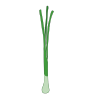
Often described as the sophisticated cousin of the onion, the leek is a versatile allium prized for its mild, sweet flavour and silky texture when cooked. While they resemble giant spring onions, leeks offer a far more nuanced culinary experience.
Appearance and Structure
Leeks are easily identified by their long, cylindrical stalks composed of tightly wrapped leaf sheaths.
- The Shank: The lower, white-to-light-green portion is the most prized part, kept pale through a process called earthing up — mounding soil around the stalk as it grows.
- The Flags: The upper leaves are a deep, dusty blue-green. They are tough and fibrous, often reserved for flavouring stocks and broths.
Flavour Profile
Unlike the sharp bite of a raw onion, leeks are:
- Mild and sweet, especially when cooked
- Creamy and silky when sautéed or braised
- Herbaceous, with a fresh green note that onions lack
Culinary Uses
Leeks are a cornerstone of traditional cuisines worldwide, lending themselves beautifully to:
- Soups and broths — including the classic potato and leek soup
- Quiches and tarts — their sweetness pairs perfectly with eggs and cheese
- Braised side dishes — slow-cooked in butter or stock until fork-tender
- Aromatic bases — used alongside carrots and celery for depth of flavour
> Tip: Don't discard the dark green tops — though too tough to eat directly, they add incredible depth to homemade stock.
How To Grow
How to Grow Leeks
Leeks have a long growing season — typically 120 to 150 days from sowing to harvest — so getting an early start is essential. They are cool-weather crops that can be sown indoors and transplanted, or sown direct into a prepared bed.
1. Sowing
Start seeds indoors 8–12 weeks before the last expected frost, or sow direct outdoors once soil temperatures reach at least 7°C.
- Sow seeds approximately 1 cm deep in modules or seed trays.
- Seedlings emerge looking like tiny blades of grass.
- The haircut trick: When seedlings reach about 15 cm tall, trim them back to around 7–8 cm. This encourages thicker, stronger bases rather than tall, floppy tops.
2. Transplanting — The Dibber Method
Once seedlings are roughly pencil-thickness, they are ready to transplant.
- Prepare a fertile, well-drained bed enriched with compost or well-rotted manure.
- Use a dibber or thick stick to make holes 15 cm deep, spaced 15 cm apart within rows, with 20 cm between rows.
- Drop one seedling into each hole. Do not backfill with soil — simply water in. The water washes just enough soil over the roots to establish the plant, while leaving room for the shank to develop.
3. Earthing Up (Blanching)
To achieve a long, pale, tender shank:
- As the leeks grow, gradually mound soil or compost around the base every few weeks.
- The covered portion remains white and tender; the exposed portion turns green and fibrous.
- Alternatively, collar the plants with sections of cardboard tube or drainpipe to achieve the same effect without disturbing the soil.
4. Ongoing Care
- Watering: Leeks have relatively shallow roots and need consistent moisture, especially during dry spells. Aim for approximately 2.5 cm of water per week.
- Feeding: A nitrogen-rich liquid feed applied every 2–3 weeks encourages strong leaf and shank development.
- Weeding: Leeks compete poorly with weeds due to their narrow, upright habit. Keep beds clear throughout the growing season.
- Pest vigilance: Check regularly for leek moth, allium leaf miner, and rust fungal disease.
Harvesting
Harvesting Leeks
Leeks do not have a strict ripeness window, giving the gardener considerable flexibility. They can be harvested over a long period, from late summer through to spring depending on the variety chosen.
When to Harvest
- Baby leeks: Harvest when roughly finger-width for a sweet, delicate flavour — ideal for grilling or serving whole.
- Mature leeks: Most gardeners wait until the white shank reaches 2–5 cm in diameter.
- Variety matters: Summer varieties should be harvested before hard frosts arrive, while winter-hardy varieties can remain in the ground for months, harvested as needed.
How to Harvest
Because leeks are deep-rooted and often earthed up, simply pulling by the leaves risks snapping the stalk.
- Use a garden fork or narrow spade. Insert it vertically into the soil 8–10 cm away from the plant base.
- Lever gently upward while grasping the leek firmly near the base of the shank.
- Ease the plant free using a steady, combined lifting and pulling motion.
Field Preparation
Before heading inside, carry out some quick field preparation:
- Shake the roots to dislodge large clumps of soil.
- Trim the roots to approximately 1 cm with garden scissors.
- Remove damaged outer leaves and trim excessively long green tops.
Washing Leeks
Leeks grow from the inside outward, meaning soil becomes trapped between every leaf layer during earthing up. Thorough cleaning is essential.
- Slice in half lengthwise from mid-shank through the green tops, keeping the root end intact to hold layers together.
- Fan the layers apart under cold running water, washing out any trapped grit or soil.
Storage
- Short term: Wrap in a damp cloth and store in the refrigerator for up to two weeks.
- In the ground: In areas where the soil does not freeze solid, leeks can simply remain in the garden and be pulled fresh as required throughout autumn and winter.
- Freezing: Slice, blanch for 2 minutes, cool rapidly, and freeze for long-term storage.
Common Problems
Common Leek Problems
Pests
Leek Moth (Acrolepiopsis assectella) The larvae tunnel into the centre of the leek, causing wilting, frass-filled holes, and rotting from the inside. Cover plants with fine insect mesh from transplanting onwards to prevent egg-laying.
Allium Leaf Miner (Phytomyza gymnostoma) Maggots mine through the leaves and into the shank, leaving characteristic white or pale streaks on the foliage. There is no chemical control for home gardeners; prevention using insect-proof netting is the only reliable method.
Onion Thrips (Thrips tabaci) These tiny insects cause silvery streaking on foliage and distorted growth. Encouraged by hot, dry conditions. Maintain consistent watering and remove affected plant material promptly.
Slugs and Snails Young transplants are particularly vulnerable to slug damage at the base. Use physical barriers, traps, or biological controls (nematodes) around newly transplanted seedlings.
Diseases
Leek Rust (Puccinia allii) A very common fungal disease identified by bright orange, powdery pustules on the outer leaves. While rarely fatal, it reduces vigour and the aesthetic quality of the harvest. Improve air circulation by correct plant spacing, avoid overhead watering, and remove heavily infected leaves. Some varieties show improved resistance.
White Rot (Sclerotium cepivorum) A devastating soil-borne fungus causing yellowing, wilting, and fluffy white growth at the base of the plant. Once present in the soil it can persist for 20 years or more. Avoid introducing infected plant material, practise long crop rotations, and do not move soil between affected and clean areas.
Downy Mildew (Peronospora destructor) Causes pale, elongated patches on leaves with a greyish mould on the underside in cool, damp conditions. Improve drainage, increase plant spacing, and avoid wetting the foliage when watering.
Physiological Issues
Bolting (Running to Seed) Leeks exposed to a prolonged cold period followed by warming temperatures may bolt, sending up a flower stalk. Once this happens, the shank becomes woody and inedible. Harvest promptly at the first sign of a central flower spike forming. Choose bolt-resistant varieties for early sowing.