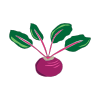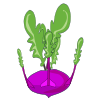
The Purple Kohlrabi: A Garden Gem Often described as looking like a "space vegetable" or a Sputnik satellite, the Purple Kohlrabi (Brassica oleracea) is a vibrant, alien-looking member of the cabbage family. Despite its name "German Turnip," it isn't a root vegetable; the edible bulb is actually a swollen stem that grows just above the soil.
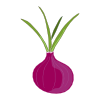
Appearance and Texture The Exterior: Features a stunning, deep violet or royal purple skin. The colour is purely superficial—once you peel it, the flesh inside is a crisp, creamy white.
The Leaves: Long, sturdy green stems (petioles) sprout from the bulb, topped with waxy, kale-like leaves.
The Crunch: It has a dense, snappy texture similar to a broccoli stem or a very crisp apple.
Flavour Profile The taste of Purple Kohlrabi is often described as a milder, sweeter version of broccoli stems or cabbage heart. It carries a subtle peppery undertone (reminiscent of a radish) but finishes with a distinct nutty sweetness.
Pro Tip: Purple kohlrabi tends to be slightly sweeter and more pest-resistant than the green variety, though they can be used interchangeably in recipes.
Selection and Storage When shopping or harvesting, look for bulbs about the size of a tennis ball. Larger bulbs can become "woody" and fibrous, losing that signature crispness.
Storage: Remove the leaves (store them separately) and keep the bulb in the crisper drawer. It will stay crunchy for several weeks.
Prep: The skin on purple kohlrabi can be a bit tough, so it’s best to use a vegetable peeler or a knife to remove the purple outer layer until the pale white flesh is revealed.
How To Grow
Growing purple kohlrabi is incredibly rewarding because it’s one of the fastest-maturing vegetables in the garden. It thrives in the cool shoulders of the season—spring and autumn—and that purple skin looks absolutely stunning against green garden foliage.
-
Timing and Temperature Kohlrabi is a cool-season crop. It can tolerate a light frost, which actually makes the bulb taste sweeter. Spring Crop: Sow seeds 4–6 weeks before the last frost. Autumn Crop: Sow seeds in late summer (about 6–8 weeks before the first hard frost) for a late-season harvest. Ideal Temp: It grows best when temperatures are between 7°C and 24°C.
-
Soil and Site Prep Sunlight: Full sun is best (at least 6 hours a day).Soil: It needs rich, well-draining soil with plenty of organic matter. pH Level: Aim for a slightly acidic to neutral soil, roughly 6.0/6.8.
-
Sowing and Spacing You can start seeds indoors, but kohlrabi has a sensitive taproot, so direct sowing is usually more successful. Depth: Plant seeds 1cm deep. Spacing: Space seeds about 5cm apart, then thin them to 10–15cm apart once seedlings are a few inches tall. Row Spacing: Keep rows about 30cm apart to allow for airflow.
-
Care and Maintenance The secret to a tender kohlrabi (rather than a woody one) is rapid, uninterrupted growth. Watering: Keep the soil consistently moist. If the soil dries out and then gets drenched, the bulbs can split. Mulching: Use straw or compost around the base to retain moisture and keep the roots cool. Feeding: If your soil is already rich, you won't need much. Otherwise, a balanced organic fertilizer applied once mid-season is plenty.
Harvesting
Harvesting Purple Kohlrabi is all about timing. Because it is a stem rather than a root, you can actually watch your progress daily as the purple "bulb" expands above the soil line.
Here is the step-by-step guide to getting the best flavour and texture from your harvest.
- The "Golden Rule" of Size The most common mistake is waiting too long. Kohlrabi is at its peak sweetness and "apple-like" crunch when it is between 5cm and 8cm (2–3 inches) in diameter.
Small (Golf ball size): Extremely tender, skin is often thin enough to eat without peeling.
Medium (Tennis ball size): The "sweet spot" for most culinary uses.
Large (Grapefruit size): Avoid waiting this long. The interior becomes "woody" and fibrous, making it tough to chew.
- The Harvest Process You don’t need to pull the whole plant out like a carrot. Instead, follow these steps:
Identify the Base: Locate the thin part of the stem between the purple bulb and the soil.
The Cut: Use a sharp garden knife or heavy-duty shears. Slice through the main stem about 1cm (half an inch) below the bulb.
Leaf Management: Once the bulb is free, trim away the long leaf petioles (stems) sprouting from the sides of the bulb.
Note: Do not discard the leaves! They are delicious and can be cooked like kale
A Quick Note on Peeling While the purple skin is beautiful, it can be quite fibrous on larger bulbs.
For Raw Eating: Use a vegetable peeler or paring knife to remove the purple skin until you reach the pale, creamy white flesh.
For Very Small Bulbs: If harvested very young (5cm or less), the purple skin is often tender enough to leave on for a pop of colour in your dish.