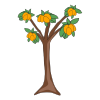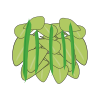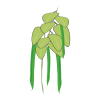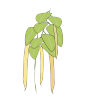
Equal parts ornamental and edible, these plants are a favourite for gardeners who want high impact with very low effort.
Appearance and Growth Nasturtiums are instantly recognizable by two distinct features:
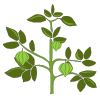
The Foliage: They have "peltate" leaves, meaning the stem attaches to the centre of the leaf rather than the edge. They look like tiny, circular green lily pads or umbrellas.
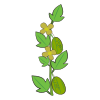
The Blooms: The flowers are trumpet-shaped with a distinct "spur" on the back. They typically come in a warm palette of sunset yellows, electric oranges, and deep velvety reds.
Depending on the variety, they either grow in neat, compact mounds (Bush types) or sent out long, rambling vines that can climb fences or trail out of hanging baskets (Trailing types).
The "Peppery" Profile One of the coolest things about Nasturtiums is that the entire plant is edible.
Flowers & Leaves: They have a spicy, mustard-like kick—think of it as a floral version of watercress or radish. They add a gorgeous pop of colour and a "zing" to salads.
The Seeds: Often called "poor man’s capers," the green seed pods can be pickled and used as a salty, pungent garnish.
Garden Benefits Nasturtiums aren't just pretty faces; they are hard workers in the ecosystem:
Trap Cropping: They are famously used in organic gardening to lure aphids away from prized vegetables like tomatoes or beans.
Pollinator Magnets: Bees and hummingbirds find the bright colours and nectar-filled spurs irresistible.
Thrive on Neglect: Ironically, if you give them too much fertilizer, they’ll grow a jungle of leaves but zero flowers. They actually prefer "poor" soil.
Fun Fact: The name Nasturtium literally translates from Latin as "nose-twister," a nod to the pungent, peppery smell and taste that makes your nose tingle.
How To Grow
Growing nasturtiums is one of the most rewarding "low-effort, high-reward" projects in gardening. They are the rebels of the plant world—the more you fuss over them, the worse they perform.
Here is how to get them thriving with minimal drama.
- Timing and Location When to plant: Nasturtiums are frost-sensitive. Sow seeds directly outdoors in spring, once the soil has warmed up and the danger of frost has passed.
Sunlight: They love full sun (at least 6–8 hours). They will grow in partial shade, but you’ll get fewer flowers and more "leggy" green growth.
Soil: This is the most important part—do not use rich soil or fertilizer. High nitrogen levels tell the plant to grow a massive amount of leaves but hide the flowers. Average-to-poor soil is perfect.
- Planting Step-by-Step Nasturtiums have large, pea-sized seeds that are easy to handle, making them great for kids or beginner gardeners.
Soak the seeds: (Optional but helpful) Soak seeds in warm water for 4–8 hours before planting to soften the tough outer shell and speed up germination.
Depth: Poke a hole about 1 inch (2.5 cm) deep.
Spacing: Space seeds about 6–10 inches apart.
Water: Water them in well. You should see sprouts appearing in about 7–12 days.
- Care and Maintenance Watering: Water regularly when the plants are young. Once established, they are fairly drought-tolerant, but they appreciate a drink when the top inch of soil feels dry.
Mulching: A thin layer of mulch helps keep the roots cool, but don't overdo it.
Deadheading: To keep the blooms coming all summer, pinch off the faded flowers before they turn into seed pods.
- Troubleshooting Common Issues Aphids: Nasturtiums are "aphid magnets." If you see tiny black or green bugs congregating on the stems, just blast them off with a sharp stream of water from the garden hose.
Yellowing Leaves: This usually means the soil is too wet or the weather has become extremely hot. They may take a "nap" in the peak of summer heat and rebound in the cooler fall air
Harvesting
Harvesting nasturtiums is a "continuous loop" process—the more you harvest, the more the plant is encouraged to produce. Because every part of the plant above the ground is edible, your harvesting method depends on what’s for dinner.
- Harvesting the Flowers The flowers have the mildest, sweetest flavour with a gentle peppery finish.
When: Pick them as soon as they have fully opened.
Time of Day: Early morning is best, as the petals are most hydrated and the flavour is brightest.
How: Snip the flower at the base of the bloom or include an inch of the stem if you want to use them in a bud vase.
Pro Tip: Look inside the "spur" (the tail of the flower) for tiny insects before bringing them inside! A quick, gentle shake usually does the trick.
- Harvesting the Leaves The leaves are punchier and more peppery than the flowers.
When: You can harvest leaves at any size, but smaller, younger leaves are more tender and less bitter than the large "lily pad" ones.
How: Use scissors to snip individual leaves from the outer edges of the plant.
Rule of Thumb: Never take more than one-third of the plant’s foliage at once, or you'll stress it out and slow down flower production.
- Harvesting the Seeds ("Poor Man's Capers") If you want to pickle the seeds, you have to catch them at the right moment.
When: Look for the green, succulent seed pods that form after a flower falls off. They usually grow in clusters of three.
The Texture Test: You want them while they are still green and firm, about the size of a large pea. If they have turned yellow or brown and feel hard/woody, they are too old to eat (but perfect for saving to plant next year!).
How: Simply pop them off the vine with your fingers.
- Storage and Handling Nasturtiums are delicate and don't have a long shelf life once picked.
Cleaning: Gently swish them in a bowl of cool water and pat them dry with a paper towel. Avoid a heavy stream from the tap, which can bruise the petals.
Storage: * Flowers/Leaves: Place them in a sealed container or a zip-top bag with a damp paper towel. They will last in the fridge for about 2–3 days.
Seeds: Use these immediately for pickling or store them in a dry jar if you are saving them for planting