Best Plants for Winter Forcing: How to Get an Early Harvest
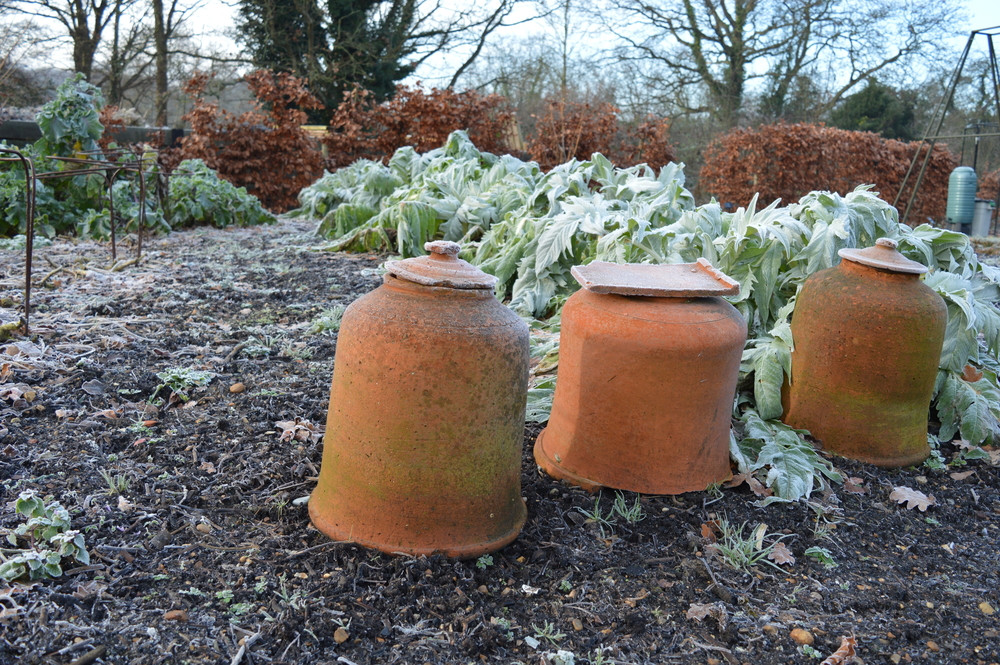
Best Plants for Winter Forcing: How to Get an Early Harvest
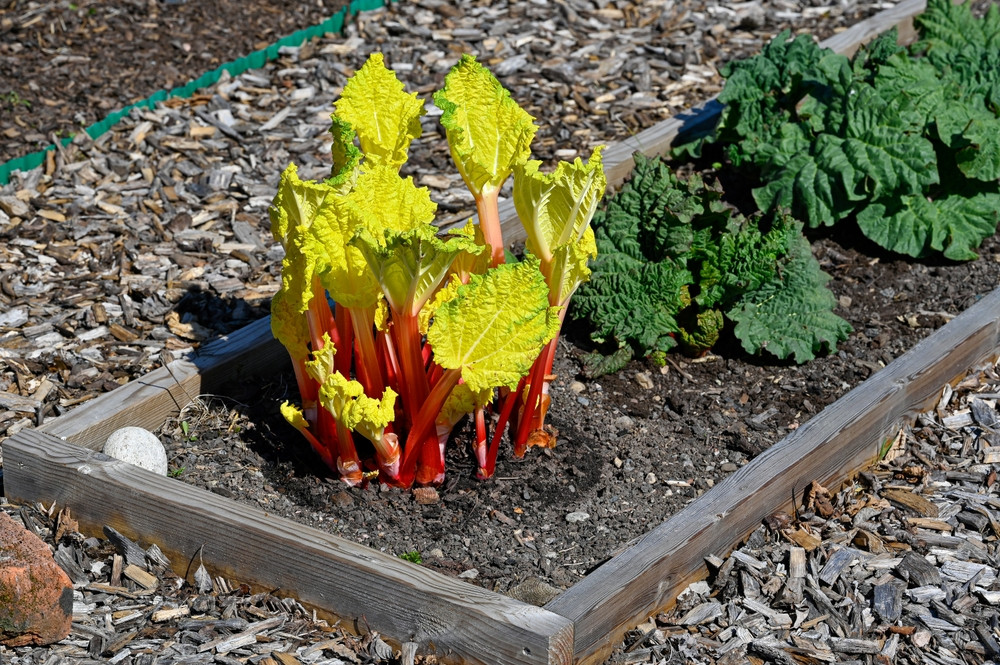
While rhubarb is the most popular choice, several other garden perennials are perfect for winter forcing. This gardening technique uses warmth and light deprivation to "trick" plants into producing early, tender crops during the dormant season.
Top 4 Plants to Force in Winter
| Plant Name | Forcing Method | Harvest Result |
|---|---|---|
| Seakale | Cover with a tall forcing jar or bucket in situ. | Nutty, blanched shoots with a celery-like texture. |
| Chicory (Witloof) | Cover garden crowns with sand or a dark container. | Pale, crisp "chicons" with significantly reduced bitterness. |
| Dandelions | Place an opaque pot over wild or garden dandelions. | Delicate, white leaves perfect for gourmet winter salads. |
| Asparagus | Use a cloche or polytunnel to insulate the soil. | Tender spears ready 2–3 weeks before the natural season. |
Why Use Winter Forcing?
Forcing is the ultimate gardening hack for January and February. By manipulating the environment of a dormant root, you can:
- Accelerate Growth: Harvest fresh produce while the ground is still frozen.
- Improve Flavor: Blanched (light-deprived) vegetables are often sweeter and less fibrous.
- Bridge the "Hungry Gap": Ensure a steady supply of homegrown food before the spring growing season begins.
Pro Tip: When forcing plants like Seakale or Chicory, ensure the cover is completely light-proof to prevent the shoots from turning green and bitter.
Start Your Early Spring Harvest
You don't need a greenhouse to start forcing; a simple bucket or cloche is often enough to transform your dormant garden into a winter larder. Grab your covers today and enjoy a gourmet harvest weeks ahead of schedule.