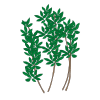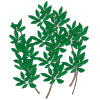
Thyme: The Essential Earthy Herb Thyme is the understated workhorse of the herb garden. While basil is flashy and rosemary is bold, thyme provides a steady, sophisticated backbone to countless cuisines around the world. It belongs to the mint family (Lamiaceae) and is characterized by its tiny, grey-green leaves and woody stems.
Flavor Profile and Aroma Thyme is prized for its complex, layered flavor. It isn't just "herby"—it’s a multidimensional experience:
Earthy & Woody: It has a grounded, savory base that anchors lighter ingredients.
Floral & Minty: Subtle notes of citrus and pine provide a refreshing top note.
The "Thymol" Factor: The herb contains thymol, an essential oil that gives it a distinct, slightly medicinal (but pleasant) pungency.
Culinary Uses Thyme is unique because it holds its flavor remarkably well during long cooking processes. Unlike delicate herbs that must be added at the end, thyme thrives in the heat.
The Bouquet Garni: Along with parsley and bay leaves, it is a founding member of this classic French herb bundle used to flavor stocks and stews.
Roasts: It is the "soulmate" of roasted poultry, lamb, and root vegetables.
Infusions: Thyme is frequently used to infuse oils, vinegars, and even honey or simple syrups for modern cocktails.
How To Grow
Thyme is one of the most "forgiving" herbs to grow, making it perfect for both seasoned gardeners and beginners with a windowsill. It’s a Mediterranean native, so the secret to success is essentially mimicking a sunny, dry hillside.
- The Ideal Environment Thyme thrives on neglect. If you overwater it or give it too much "love" (fertilizer), it actually loses its flavor intensity.
Sunlight: Thyme needs full sun. Aim for at least 6 to 8 hours of direct light daily.
Soil: Use well-draining soil. If your soil is heavy clay, mix in some sand or fine gravel. It prefers a slightly alkaline pH, around 6.0 to 8.0.
Watering: Let the soil dry out completely between waterings. Thyme is drought-tolerant; "wet feet" (soggy roots) will kill it faster than anything else.
- Planting Methods While you can grow thyme from seed, it is notoriously slow to germinate. Most gardeners prefer these two methods:
Nursery Starts: Buy a small plant from a garden center. This gives you an immediate harvest.
Cuttings/Division: If a friend has a plant, snip a 3-inch tip, strip the lower leaves, and place it in water until roots form, or divide an established root ball in the spring.
- Maintenance & Pruning To keep your thyme from becoming too "woody" and leggy, follow these steps:
The Haircut: Prune the plant regularly. Pinching off the tips encourages the plant to bush out rather than grow long and thin.
Winter Care: In very cold climates, mulch the base of the plant after the first hard frost to protect the roots.
Don't Overfeed: Avoid nitrogen-rich fertilizers. Too much food creates lush growth that lacks the essential oils (flavor) we want
Harvesting
Harvesting thyme is incredibly easy, but doing it correctly ensures the plant stays healthy and keeps producing for years. Because thyme is a woody perennial, the way you cut it matters for its long-term growth.
- Timing the Harvest The "Golden Hour": The best time to harvest is mid-morning, right after the dew has dried but before the sun gets too hot. This is when the essential oils are most concentrated.
The Life Cycle: You can harvest thyme anytime during the growing season. However, the flavor is most potent just before the plant flowers.
Age Matters: Wait until the plant is at least 4–5 inches tall before taking your first significant harvest.
- The Golden Rule of Pruning The most important rule for harvesting thyme (and most woody herbs) is:
Never harvest more than one-third of the plant at once. If you take too much, the plant may go into shock or struggle to photosynthesize. Additionally, avoid cutting into the "woody" base of the stems. Always leave at least an inch or two of green, leafy growth so the plant can sprout new stems.
- Step-by-Step Harvesting Select Your Stems: Look for the longest, healthiest-looking green stems.
Snip: Using clean garden snips or sharp scissors, cut the stem just above a set of leaves (a node). This encourages the plant to branch out at that point, making it bushier.
Gather: If you need a lot (for drying or a big roast), take several stems from different parts of the plant rather than "scalping" one side