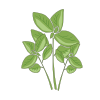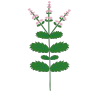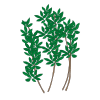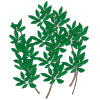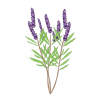
Sage is one of those rare herbs that manages to be both a culinary powerhouse and a bit of a historical legend. Whether you’re stuffing a Thanksgiving turkey or looking for a hardy addition to your garden, sage (officially Salvia officinalis) is a heavy hitter.
Physical Characteristics Sage is a perennial evergreen subshrub with a distinct, sophisticated aesthetic. It doesn't just look like a "green leaf"; it has texture and character.
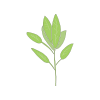
The Leaves: They are oblong and characterized by a pebbly, rugose texture. Most notably, they have a soft, "fuzzy" feel due to a fine coating of tiny hairs (trichomes). +1
The Colour: It’s famous for its "sage green" hue—a dusty, grayish-green that looks like it has a permanent filter on it.
The Flowers: In late spring or summer, it produces spikes of flowers that are typically lavender, purple, or blue, which are a magnet for bees and butterflies.
Flavour and Aroma If you've ever smelled sage, you know it's unmistakable. It is intensely aromatic and pungent.
The Profile: It carries notes of pine, eucalyptus, and citrus, with a slightly peppery "bite."
Culinary Use: Because its flavour is so robust, it holds up well to long cooking times. It’s a classic pairing for fatty meats (pork, goose, sausage), root vegetables, and browned butter pasta sauces. +1
A Little Goes a Long Way: Unlike parsley or cilantro, you rarely use sage as a garnish; it’s an ingredient that needs to be integrated into the dish.
History and Symbolism The name Salvia comes from the Latin salvere, which means "to be saved" or "to be well."
Ancient Medicine: For centuries, it was used as a cure-all for everything from memory loss to snake bites.
Spiritual Use: Many cultures use dried white sage (a different species, Salvia apiana) for "smudging" or burning to clear negative energy—though it's important to note the distinction between culinary sage and the sacred sage used in Indigenous traditions.
Growing Tips Sage is a "low-maintenance" friend for gardeners. It’s drought-tolerant and actually prefers slightly sandy, well-draining soil. It hates "wet feet" (roots sitting in water), so if you're growing it in a pot, make sure it has plenty of drainage.
Pro Tip: Prune your sage in the spring to prevent it from becoming too woody. This encourages fresh, tender leaf growth for your kitchen
How To Grow
Growing sage is a rewarding "set it and forget it" project. Since it’s a hardy perennial, once it’s established, it will come back year after year, often surviving even through light frosts.
Here is how to get your sage patch thriving:
-
The Ideal Environment Sage is native to the Mediterranean, so think hot, dry, and sunny. Sunlight: It needs full sun (at least 6 to 8 hours a day). If it’s in the shade, it will get "leggy" and lose its concentrated flavour. Soil: It requires well-draining soil. Sage hates "wet feet." If your soil is heavy clay, mix in some sand or organic matter, or grow it in a raised bed.+1Ph Balance: It prefers a soil pH between 6.0 and 7.0.
-
Planting You can start from seeds, but be warned: sage seeds have a low germination rate and take forever to grow. Pro Move: Start with cuttings or a nursery plant. Spacing: Plant them about 18 to 24 inches apart. They start small but will eventually grow into a bushy shrub. Timing: Plant outdoors in the spring after the last frost has passed.
-
Maintenance and Care Sage is a "tough love" plant. It thrives on a bit of neglect. Watering: Young plants need consistent moisture. However, once established, only water when the soil is bone dry. Overwatering is the #1 way to kill sage (it leads to root rot).
Pruning: This is the secret to a long-lived plant. In the spring, cut the woody stems back by about a third. This prevents the plant from becoming too "twiggy" and encourages fresh, flavourful leaves.
Replacement: Even with the best care, sage plants usually get too woody and lose their vigour after 3 to 5 years. At that point, it’s usually best to start a new plant.
- Growing in Containers Sage is actually a perfect candidate for pots if you don't have a yard. The Pot: Use a clay or terra cotta pot; these are porous and help the soil dry out faster. The Mix: Use a high-quality potting soil mixed with a little extra perlite or sand for drainage
Harvesting
Harvesting sage is a bit like giving it a haircut—done correctly, it actually makes the plant healthier and more productive. Because sage is a perennial, you want to be careful not to over-harvest in its first year while it’s still finding its feet.
-
When to Harvest Timing is everything when it comes to flavour and plant health. The Best Time of Day: Harvest in the morning after the dew has evaporated but before the sun is at its peak. This is when the essential oils (the stuff that makes it smell and taste great) are most concentrated. The Best Time of Year: You can pick leaves year-round if you live in a mild climate, but the most flavourful harvest happens just before the plant flowers in late spring or early summer. Year One Rule: If you just planted your sage this year, harvest lightly. Let the plant reach at least 6–8 inches in height before you take anything, and never take more than a few leaves at a time.
-
The Technique Don't just pull the leaves off; that can damage the stems. For Small Amounts: Simply pinch off individual leaves with your thumb and forefinger or use a small pair of garden snips. For Large Batches: Cut an entire sprig (a small branch). Always cut just above a node (the spot where two leaves emerge). This encourages the plant to "branch out" and become bushier.+1The "One-Third" Rule: Never harvest more than 1/3 of the plant at a single time. The plant needs its remaining leaves to photosynthesize and regrow