The "Dew of the Sea" Rosemary (Salvia rosmarinus) is much more than just a garnish for a Sunday roast. This woody, perennial herb is a member of the mint family, native to the rocky Mediterranean coast. Its name stems from the Latin ros marinus, which translates to "dew of the sea"—a nod to its ability to thrive on the moisture from ocean mists.
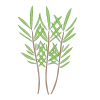
Key Characteristics Appearance: It features stiff, upright branches covered in needle-like leaves that are dark green on top and silvery-white underneath.
Scent & Flavour: It possesses a powerful, complex aroma often described as piney, resinous, and earthy, with subtle notes of citrus and evergreen.
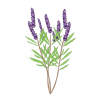
Flowers: In the spring and summer, rosemary produces delicate, small flowers that range from pale blue and lavender to white or pink.
Quick Fact Rosemary contains a high concentration of rosmarinic acid, which has antioxidant and anti-inflammatory properties. Legend has it that scholars in ancient Greece would wear garlands of rosemary around their heads while studying to help improve their memory and concentration.
Pro Tip: When cooking with fresh rosemary, the stems are quite woody. Strip the needles off by pulling your fingers down the stalk in the opposite direction of growth, then chop them finely to release the oils
How To Grow
Growing rosemary is rewarding, but it can be a bit of a "tough love" plant. Because of its Mediterranean roots, it thrives on sunlight, drainage, and neglect.
Here is how to set your rosemary up for success:
- The Essentials Sunlight: Rosemary needs at least 6 to 8 hours of direct sun daily. If growing indoors, place it in your brightest south-facing window. Soil: It hates "wet feet." Use a well-draining, slightly sandy, or gravelly soil mix. A standard potting soil mixed with 20% perlite or coarse sand works wonders. Watering: This is where most people go wrong. Let the soil dry out almost completely between waterings. If the soil stays soggy, the roots will rot.
- Planting Options From Cuttings (Recommended): Rosemary is notoriously slow and difficult to grow from seed. It’s much easier to take a 4-inch cutting from a healthy plant, strip the bottom leaves, and place it in water or moist soil until roots develop. In Containers: Use a terra cotta pot. The porous clay allows the soil to breathe and helps moisture evaporate, preventing root rot.
- Maintenance and Care Frequency Pruning After flowering Keeps the plant from getting too "leggy" or woody. Fertilizing Rarely (Spring) Rosemary doesn't need much food; a little compost in the spring is plenty.
Airflow Constant Good circulation prevents powdery mildew, a common rosemary foe.
- Overwintering Rosemary is hardy, but only to a point (usually down to about -10°C or 15°F depending on the variety).In cold climates: Bring your pots indoors before the first hard frost. Indoors: Be careful—indoor air is often too dry. Mist the plant occasionally or use a pebble tray with water to keep it happy without overwatering the soil.
Common Troubleshooting Yellowing leaves? You’re likely overwatering. Drooping/Wilted needles? Surprisingly, this can also be a sign of root rot from too much water, or the plant is bone-dry. Check the soil depth with your finger. White dust on leaves? That’s powdery mildew. Increase the airflow and reduce humidity
Harvesting
Harvesting rosemary is a bit like giving the plant a haircut—done correctly, it actually encourages the plant to grow bushier and healthier.
When to Harvest Time of Day: For the best flavour, harvest in the morning after the dew has dried but before the sun is at its hottest. This is when the essential oils are most concentrated.
Plant Age: Wait until the plant is at least 6 inches tall. If it's a brand-new sapling, let it establish itself for a few months before taking large amounts.
The "One-Third" Rule The golden rule of harvesting is to never take more than one-third of the plant at once. If you over-harvest, the plant may go into shock and stop growing altogether.
How to Cut Select Green Stems: Look for the fresh, flexible green growth at the tips. Avoid cutting too far back into the "woody" (brown/hard) parts of the stem, as these sections won't regrow easily.
Snip at a Node: Use sharp kitchen shears or garden snips. Cut just above a leaf node (the spot where a pair of leaves meets the stem). This tells the plant to split and grow two new branches from that point.
Length: For most cooking needs, a 2 to 4-inch sprig is perfect.
Post-Harvest: Storage Rosemary is incredibly hardy and keeps its flavor better than most herbs.
Fresh: Wrap the sprigs in a slightly damp paper towel and keep them in a plastic bag in the fridge. They’ll stay fresh for about 2 weeks.
Drying: This is the most popular method. Tie a bundle of sprigs together with twine and hang them upside down in a cool, dark, well-ventilated area. Once the needles are brittle (usually 1–2 weeks), strip them off and store them in an airtight jar.
Freezing: You can freeze whole sprigs in a freezer bag or strip the needles and freeze them in olive oil using an ice cube tray. This is great for dropping directly into soups or stews!
Fun Fact: Rosemary is one of the few herbs that actually tastes stronger when dried, as the oils become more concentrated