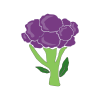
Red cabbage (also known as purple cabbage) is the vibrant, cool-toned cousin of the standard green variety. While it tastes similar to green cabbage, it’s slightly earthier, pepperier, and—let’s be honest—far more dramatic on a plate.
Appearance and Texture The first thing you’ll notice is its deep ruby or violet hue. Unlike the loose leaves of kale or lettuce, red cabbage grows in a tightly packed, heavy floral globe.
The exterior: Smooth, waxy leaves that feel almost like leather.
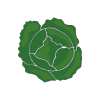
The interior: When sliced open, it reveals a stunning, intricate marble pattern of white veins against purple flesh.
The crunch: It is incredibly dense and crisp, maintaining its structural integrity far longer than most leafy greens.
Culinary Profile Red cabbage is a workhorse in the kitchen because it’s as good raw as it is cooked.
Raw: Shredded thin, it provides the "crunch factor" in coleslaws, tacos, and salads.
Cooked: It mellows out and becomes slightly sweet when braised with apples, vinegar, and sugar (a staple in German cuisine).
The Science Note: Red cabbage contains anthocyanins (natural pigments) that act as a pH indicator. If you cook it in alkaline water, it turns blue or grey; add a splash of lemon juice or vinegar (acid), and it pops back to a brilliant magenta.
Nutrition & Benefits It isn't just a garnish; it’s a nutritional powerhouse. It generally contains significantly more antioxidants and vitamins than green cabbage.
High in Vitamin C: Excellent for immune support.
Fibre-Rich: Great for digestive health.
Long Shelf Life: One of the most durable vegetables in the fridge—it can stay crisp for weeks if stored properly.
Quick Tip: If you're using it in a salad, massage the shredded leaves with a little salt and lemon juice about 10 minutes before serving. It softens the tough fibres without losing the crunch
How To Grow
Growing red cabbage is a rewarding game of patience. Because it has a longer growing season than green cabbage, it’s essentially the "slow food" of the vegetable garden.
Here is how to take it from seed to harvest:
Timing and Temperature Red cabbage is a cool-weather crop. It thrives when temperatures are between 7°C and 24°C (45°F–75°F).
Spring Crop: Start seeds indoors 6–8 weeks before the last frost.
Fall Crop: Start seeds in mid-summer for a harvest after the first light frost (which actually makes the leaves sweeter!).
Soil and Planting Cabbage is a "heavy feeder," meaning it needs nutrient-rich soil to build those dense heads.
The Soil: Use well-draining soil packed with organic matter or compost. It prefers a slightly acidic to neutral pH (around 6.5 to 7.0).
Spacing: These plants need elbow room. Space them 30–45 cm (12–18 inches) apart. If they are too crowded, the heads will stay small.
Sunlight: Full sun is best (at least 6 hours a day). In very hot climates, give them some afternoon shade to prevent wilting.
Maintenance Care Consistent Water: This is the golden rule. If the soil goes from bone-dry to soaking wet, the heads can "split" or "burst." Keep the soil consistently moist but not soggy.
Mulching: Add a layer of straw or bark around the base to keep the roots cool and hold in moisture.
Feed Me: Apply a balanced organic fertilizer every 3–4 weeks once the plant starts establishing its larger "wrapper" leaves.
Common Challenges Cabbage Worms: Keep an eye out for little green caterpillars. You can protect your crop by using row covers (thin mesh fabric) to stop butterflies from laying eggs on the leaves.
Clubroot: A fungus that affects the roots. Rotating your crops (don't plant cabbage in the same spot two years in a row) is the best way to prevent this.
When to Harvest You’ll know it’s ready when the head feels firm and solid to the touch when squeezed. If it feels soft or "squishy," it needs more time. Cut the head at the base with a sharp knife, leaving the outer wrapper leaves on the plant
Harvesting
Harvesting red cabbage is all about the "squeeze test." Unlike leafy greens that you can pick leaf-by-leaf, a head of cabbage is a "one and done" crop, so timing is everything.
Knowing When to Harvest Most red cabbage varieties take between 70 and 100 days to reach maturity.
The Feel: Gently squeeze the head. If it feels hard, solid, and dense—like a bowling ball—it’s ready. If it feels soft or "springy," it needs more time to pack in those inner leaves.
The Size: While size varies by variety, a typical red cabbage is ready when it reaches about the size of a softball or larger (roughly 10–20 cm in diameter).
The Look: The head will have a slight sheen, and the outer "wrapper" leaves will start to pull back slightly from the tight center.
The Technique You’ll need a sharp garden knife or a pair of heavy-duty loppers.
Clear the Base: Pull back the loose, floppy outer leaves so you can see where the stem meets the ground.
The Cut: Slice through the main stem just below the head. Try to keep as many of the tight inner leaves intact as possible.
Trim: Remove the dirty or damaged outer wrapper leaves and toss them in the compost. Leave 1 or 2 outer leaves on if you plan to store it, as they act as a natural "wrapper" to keep the head from drying out.
A Note on Timing Don't wait too long: If the head gets too big or if there is a sudden heavy rain after a dry spell, the cabbage can "split" or "burst." If you see a crack forming, harvest it immediately!
The Frost Factor: Red cabbage can handle a light frost (it actually improves the flavor), but if a deep freeze is coming, get them out of the ground. Frozen cabbage turns to mush once it thaws.
Storage Tip Do not wash the cabbage until you are ready to use it. Store it in the crisper drawer of your fridge; a healthy, unwashed head of red cabbage can stay fresh for several weeks, or even months