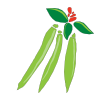
The garden pea (Pisum sativum) is the quintessential "cool-season" vegetable—a vibrant, popping-green gem that signals the true arrival of spring. Whether they’re being snapped straight off the vine or served as a buttery side dish, they are a staple of both the garden and the kitchen.
The Profile of a Garden Pea Garden peas (also known as English peas or shelling peas) are distinguished by their smooth, waxy pods and the tender, spherical seeds found inside. Unlike snap peas or snow peas, the pods of garden peas are fibrous and tough, meaning they are grown specifically to be "shelled."
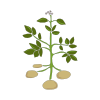
Physical Characteristics The Vine: A delicate, climbing legume that uses thin, curly tendrils to hitch a ride up trellises or fences.
The Flower: Before the peas arrive, the plant produces beautiful, butterfly-shaped flowers, usually in shades of white or soft pink.
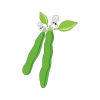
The Fruit: Inside the bright green pod sits a row of 5 to 10 perfectly round, succulent seeds.
Culinary Personality The garden pea is famous for its natural sweetness. This sweetness comes from the plant’s ability to convert glucose into starch; however, this process happens quickly once they are picked. This is why a pea eaten five minutes after harvest tastes like candy, while a "fresh" supermarket pea can sometimes feel a bit starchy.
Best enjoyed: Steamed briefly, mashed into a "mushy pea" consistency, or tossed into a bright spring risotto.
Nutritional punch: They are surprisingly high in protein for a vegetable, and packed with vitamins A, C, K, and iron.
Why Gardeners Love Them Peas are the overachievers of the early spring garden. They can handle a light frost, and they actually improve the soil they grow in by "fixing" nitrogen—essentially acting as a natural fertilizer for whatever you plant after them.
Pro Tip: If you're growing them yourself, harvest when the pods look "round" and feel firm. If the pod looks bumpy and tight against the seeds, you’ve waited a day too long and they might be a bit floury
How To Grow
Growing garden peas is incredibly rewarding because the taste of a homegrown pea is leagues ahead of anything you’ll find in a store. Since it’s currently February, you’re actually at the perfect time to start planning or planting, depending on how frozen your ground is!
Here is your step-by-step guide to a successful pea harvest.
- Timing and Location Peas are "cool-weather" crops. They dislike the sweltering heat of summer but can survive a light frost.
When to plant: Aim for 4 to 6 weeks before your last spring frost date. As soon as the soil is workable (not a muddy soup), you can get them in the ground.
Sunlight: They prefer full sun (6+ hours) but are one of the few vegetables that will tolerate partial shade.
Soil: They like well-drained soil rich in organic matter. Avoid heavy clay that stays soggy, as the seeds might rot before they sprout.
- Planting the Seeds Peas have delicate roots and don't like being moved, so it’s best to sow them directly into the garden rather than starting them in pots.
Preparation: Soak your seeds in water for 12 to 24 hours before planting. This softens the outer shell and speeds up germination.
Depth: Plant seeds about 1 inch (2.5 cm) deep.
Spacing: Space seeds 2 inches apart in rows. If you are planting multiple rows, keep them about 12 to 18 inches apart.
- Support and Maintenance Unless you are growing a "bush" variety, your peas are going to want to climb.
The Trellis: Install a fence, netting, or "pea brush" (sturdy twigs stuck into the ground) at the time of planting. If you wait until they are tall, you risk damaging the roots.
Watering: Keep the soil consistently moist but not waterlogged. They need the most water when they are flowering and when the pods are filling out.
Mulching: Add a thin layer of straw or compost around the base to keep the roots cool and retain moisture
Harvesting
The goal of harvesting garden peas is to catch them at that "magic moment" where they are full of sugar but haven't yet turned to starch. Because the sugars in a pea begin turning to starch the second they are plucked, timing and technique are everything.
- When to Harvest (The "Squish" Test) Depending on the variety, your peas should be ready 60 to 70 days after planting. Look for these three signs:
The Look: The pods should be bright green, glossy, and "round." If they look dull, waxy, or yellowish, they are overripe and will be tough.
The Feel: Gently squeeze the pod. It should feel firm and full, with no "give" or air pockets inside. You should be able to feel the individual round peas crowded against each other.
The Location: Peas ripen from the bottom of the vine upward. Start your harvest at the base of the plant and work your way up. +1
- The Two-Handed Technique Pea vines are notoriously fragile and have very shallow roots. If you try to pull a pod off with one hand, you will likely snap the vine or pull the entire plant out of the ground.
Steady the vine: Use one hand to hold the main stem of the plant just above where the pea pod is attached.
The Snip or Pinch: Use your other hand to pinch the pod's neck (where it meets the stem) or use a small pair of garden snips.
Morning Harvest: Try to harvest in the early morning after the dew has dried. This is when the sugar content is highest and the pods are at their crispest.
- How to Shell (The "Unzip" Method) Garden peas have a fibrous string running along the seam. Use it to your advantage:
Snap off the stem end of the pod.
Pull the stem downward along the "concave" (inner curved) seam. This should "unzip" the pod.
Run your thumb down the inside to pop the peas into a bowl.
- Post-Harvest Handling The clock is ticking! Within 3 to 4 hours of harvest, nearly 40% of a pea's sugar can convert to starch if left at room temperature.
Eat immediately: This is the only way to experience true "garden candy."
Cool them down: If you can't eat them right away, get them into the refrigerator immediately. They will stay fresh for about 5 days if kept in a breathable bag.
The Long Haul: For the best flavour later in the year, blanch the shelled peas in boiling water for 90 seconds, plunge them into an ice bath, and then freeze them