If you’ve ever had a fancy salad mix and wondered what that pretty, jagged leaf was—the one that looks like it belongs on a botanical illustration—you’ve likely met Mizuna.
Known as "Japanese Mustard Greens" or "Spider Mustard," Mizuna is a staple in Asian cuisine that has become a darling of the farm-to-table scene. Here is everything you need to know about this versatile green.
The Profile: Flavor & Texture Mizuna is often described as the "goldilocks" of the mustard family. While most mustard greens hit you with a sharp, sinus-clearing spice, Mizuna is much more refined.
Taste: Mildly peppery with a subtle sweetness. It’s less aggressive than arugula but punchier than spinach.
Texture: The stalks are slender and incredibly crunchy, while the feathery leaves are tender and delicate.
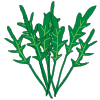
Appearance: Easily identified by its deep serrations (jagged edges) and vibrant lime-green or deep purple hues.
Why It’s a "Super" Green Mizuna isn't just a pretty face; it’s a nutritional powerhouse. It is exceptionally high in Vitamins A, C, and K, and is packed with glucosinolates—antioxidants that are linked to various health benefits and give the plant its signature mild spice.
Pro Tip: If you find a bunch at the market, look for crisp leaves without yellowing. Store them in a perforated bag in the fridge; they are delicate and prefer to breathe
How To Grow
Growing mizuna is arguably one of the most rewarding "quick wins" for a gardener. It is incredibly hardy, grows like a weed, and is much more tolerant of cold (and even heat) than your average lettuce.
Here is how to take it from seed to salad bowl.
- Timing and Location Mizuna is a cool-season crop. While it can handle a bit of summer heat better than spinach, it tastes best when grown in the spring or fall.
Sun: Prefers full sun (6+ hours), but if you are growing it in a warmer climate, partial shade will keep it from "bolting" (going to seed) too quickly.
Soil: It loves rich, well-draining soil with plenty of organic matter. Aim for a pH between 6.0 and 7.5.
- Planting You can start seeds indoors, but mizuna has a taproot that doesn't like being disturbed. Direct sowing is usually the way to go.
Sowing Depth: Plant seeds about 1 cm (½ inch) deep.
Spacing: * For "baby greens," sow seeds 2 cm apart in wide rows.
For full-sized heads, space them about 15–25 cm (6–10 inches) apart.
Temperature: Seeds will germinate in soil as cool as 10°C (50°F), making it perfect for early spring planting.
- Care and Maintenance Mizuna is low-maintenance, but it does have two main requirements:
Watering: Keep the soil consistently moist. If the soil dries out completely, the plant gets stressed and the leaves turn bitter and tough.
Mulching: A thin layer of straw or compost around the base helps retain moisture and keeps the leaves clean from dirt splashes.
- Troubleshooting: Pests The biggest fans of mizuna (besides humans) are Flea Beetles. These tiny black bugs chew "shot-holes" into the leaves.
The Fix: Use a lightweight row cover immediately after planting to create a physical barrier.
- Harvesting: The "Cut and Come Again" Method One of the best things about mizuna is that you don't have to harvest the whole plant at once.
Baby Greens: Start snipping individual outer leaves when they are about 5–10 cm (2–4 inches) long (usually around day 20).
Full Heads: Harvest the entire plant after about 40–50 days.
Regrowth: If you cut the leaves about 2 cm above the ground—leaving the "heart" of the plant intact—it will often grow back for a second or even third harvest
Harvesting
Harvesting mizuna is a "choose your own adventure" experience. Depending on whether you want delicate microgreens for a garnish or hearty stalks for a stir-fry, the timing and technique change slightly.
Here is the breakdown of how to get the most out of your crop.
- The Timing: When to Strike Mizuna grows incredibly fast. You can start harvesting as soon as the first "true leaves" (the ones with the jagged edges) appear.
Microgreens: Harvest at 10–14 days. These are tiny, intense bursts of flavour used for plating.
Baby Greens: Harvest at 21–25 days. These are about 3–5 inches long and perfect for raw salads.
Mature Plants: Harvest at 40–50 days. At this stage, the plant forms a dense rosette. The stems will be crunchy and the flavour slightly more peppery.
- The "Cut and Come Again" Method (Recommended) This is the most efficient way to harvest if you want a continuous supply of greens for weeks. Instead of pulling the whole plant, you take only what you need.
Selection: Choose the outermost leaves first. These are the oldest and largest.
The Cut: Using clean garden snips or kitchen shears, cut the leaf stems about 1 inch (2.5 cm) above the soil line.
The Golden Rule: Never harvest more than one-third of the plant at a time. This ensures the "crown" (the centre where new growth happens) has enough energy to keep producing.
Repeat: In about a week, the inner leaves will have grown out to take the place of the ones you harvested.
- The "Whole Head" Harvest If you want to clear a space in your garden or need a large amount of greens for a big dinner, you can harvest the entire plant.
The Technique: Grasp the entire bunch of leaves in one hand and use a sharp knife to slice the base of the plant just above the root at soil level.
Alternative: You can pull the whole plant up by the roots, but this is messier and requires more cleaning later.
- Post-Harvest Care Mizuna is delicate and wilts quickly once cut. To keep it crisp:
Harvest in the Morning: Pick your greens early in the day when they are most hydrated. Avoid harvesting in the midday sun, or they’ll go limp immediately.
The Cold Plunge: Immediately submerge harvested leaves in a bowl of ice-cold water. This "shocks" them into staying turgid and washes away any dirt or hitchhiking bugs.
Storage: Spin them dry in a salad spinner. Store in a container lined with a dry paper towel in the crisper drawer. They will stay fresh for about 5–7 days.
Is Your Mizuna Flowering? If you see a tall stalk emerging from the centre with small yellow flowers, your plant is bolting.
Don't panic: The leaves will become tougher and more bitter, but the flowers are edible! They make a beautiful, spicy addition to salads.
Tip: Once it bolts, it's best to harvest the whole plant and replant fresh seeds, as the leaf quality will decline rapidly.