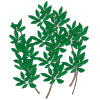
Often confused with its bolder cousin, oregano, marjoram (Origanum majorana) is the refined, sophisticated member of the mint family. If oregano is a loud rock concert, marjoram is a melodic acoustic set—sweet, floral, and subtly complex.
What Does It Taste Like? Marjoram is prized for its delicate balance of flavors. While it shares that classic "herbaceous" baseline with oregano, it leans much more into:
Sweetness: It lacks the spicy, peppery bite of oregano.
Citrus & Pine: It carries light notes of lemon and a woody, balsam-like scent.
Floral Aromas: It’s highly aromatic, often described as having a "perfumed" quality.
Culinary Uses Because its oils are delicate, marjoram is sensitive to heat. To get the most out of it, chefs usually add it at the very end of cooking or use it in cold preparations.
Meat & Poultry: It is a staple in German cuisine, particularly in sausages (it’s often called "the sausage herb"). It also pairs beautifully with roasted chicken or lamb.
Vegetables: It shines when tossed with roasted carrots, peas, or sautéed mushrooms.
Blends: It is a key component in Herbes de Provence and the Middle Eastern spice mix Za'atar.
A Bit of Lore In ancient Greece and Rome, marjoram was a symbol of happiness. It was a tradition to crown newlyweds with wreaths of marjoram to wish them a joyful life. On the flip side, if it grew on a grave, it was believed to signify that the departed soul had found eternal peace.
How To Grow
Growing marjoram is remarkably rewarding because it’s a relatively "low-maintenance" herb that packs a high sensory payoff. Whether you have a sprawling garden or just a sunny windowsill, here is how to get it thriving.
- Choose Your Starting Point From Seed: Marjoram seeds are tiny and slow to germinate. Start them indoors 6–8 weeks before the last frost. Don't bury them deep; just press them into the soil, as they need light to sprout.
From Nursery Starts: If you’re a beginner, buying a small plant from a garden centre is the "cheat code" to immediate success.
From Cuttings: You can easily root a stem in water or moist soil during the summer.
- Ideal Growing Conditions Marjoram is a Mediterranean native, so think "warm and breezy."
Light: It needs full sun (at least 6–8 hours a day). If growing indoors, a south-facing window is its best friend.
Soil: It prefers well-draining, slightly gritty soil. If your soil is heavy clay, add some sand or compost to loosen it up.
Temperature: It loves the heat but is frost-sensitive. In most climates, it is grown as an annual, though it can survive as a perennial in zones 9 or warmer.
- The "Hands-Off" Care Routine The biggest mistake people make with marjoram is over-pampering it.
Watering: Let the soil dry out completely between waterings. Marjoram hates "wet feet" (soggy roots), which can lead to root rot.
Thinning: If planting in the ground, space plants about 10–12 inches apart to allow for air circulation.
Feeding: It doesn’t need much fertilizer. A little compost in the spring is usually plenty. Over-fertilizing can actually weaken the flavour of the essential oils.
- Pruning and Harvesting To keep the plant from getting "leggy" or woody, you need to be a little proactive:
Pinch Back: When the plant is about 4 inches tall, pinch off the tops. This encourages it to grow bushier rather than taller.
Avoid Flowers: Once the plant flowers, the leaves can turn bitter. Snip off flower buds as soon as they appear to keep the flavour sweet.
The Harvest: You can start snipping leaves once the plant is 5–6 inches tall. For the best flavour, harvest in the morning after the dew has dried but before the sun gets too hot.
Pro Tip: If a frost is coming and your marjoram is in a pot, bring it inside! It makes an excellent indoor winter herb if you have a bright enough spot for it
Plant out seedlings when the is no risk of frost. You can start these indoors if needed or purchase from a garden centre.
Marjoram as a Mediterranean plant grows well in full sound and poor to average soils. It doesn't grow very tall and doesn't do will if competing for light from other plants so select smaller companions. Marjoram with tend to die back when temperatures drop below freezing. But unless your climate is extremely cold over winter it is likely to come back strong once risk of frosts have past.
Harvesting
Harvesting marjoram is more of an art than a chore. Because the plant is so aromatic, the timing and technique you use will directly impact how much of those sweet, floral essential oils make it into your cooking.
- Timing the Harvest Timing is everything when it comes to flavour concentration.
The Golden Hour: Harvest in the mid-morning, right after the dew has evaporated but before the afternoon sun becomes intense. This is when the essential oils are at their peak.
The Growth Milestone: Start harvesting once the plant is at least 5–6 inches tall.
The "Pre-Bloom" Rule: For the absolute best flavour, harvest just before the flower buds open. Once the plant blooms, the energy shifts to seed production, and the leaves can become slightly bitter or woody.
- Harvesting Technique Don't be shy—marjoram actually benefits from being "pushed" a little.
The "Pinch" Method: For daily cooking, simply pinch off the top set of leaves with your thumb and forefinger. This encourages the plant to branch out and become bushier.
The "Big Cut": For a large harvest (to dry or freeze), use sharp kitchen shears to cut the stems.
Leave at least 2–3 inches of the stem above the ground.
Always ensure there are a few sets of leaves left on the base so the plant can photosynthesize and regrow.
Work from the Outside In: Take the stems from the outer edges of the plant first to keep the centre open for airflow.
- Post-Harvest Care Once you’ve snipped your sprigs, you have three main options:
Fresh Use: Place the stems in a small glass of water (like a bouquet) on your counter, or wrap them in a damp paper towel in the fridge. They’ll stay fresh for about a week.
Drying: This is the most popular method for marjoram. Tie small bundles of stems together and hang them upside down in a warm, dry, dark place. Once they are "potato chip" brittle, crumble the leaves into an airtight jar.
Freezing: Chop the fresh leaves and place them in an ice cube tray with a little water or olive oil. Drop a cube directly into soups or stews later in the year.
A Quick "Chef's Secret" The 3:1 Ratio: Remember that dried marjoram is much more concentrated than fresh. If a recipe calls for fresh marjoram and you only have dried, use about one-third of the amount