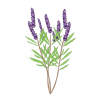
Lavender is much more than just a pretty purple plant; it’s a sensory powerhouse that has been a staple in gardens and medicine cabinets for centuries.
Part of the mint family (Lamiaceae), this perennial shrub is native to the Mediterranean but has since conquered the world with its calming scent and versatile nature.
Key Characteristics Appearance: Lavender is instantly recognizable by its "spikes" of tiny tubular flowers. While we usually think of "lavender purple," colours can range from deep royal violet and pale blue to soft pink and even white.
Foliage: The leaves are often silvery-green and narrow, growing in dense, aromatic clumps.
The Scent: Its fragrance is a complex blend of floral, herbal, and slightly woody notes. This scent comes from the essential oils found in the tiny hairs (trichomes) covering the flowers and leaves.
Why People Love It Lavender is the "Swiss Army Knife" of herbs. Here is why it remains a global favourite:
Therapeutic Benefits: It is widely used in aromatherapy to reduce anxiety, improve sleep quality, and soothe headaches.
Culinary Uses: High-quality culinary lavender adds a sophisticated floral note to shortbread, honey, and even savoury lamb dishes.
Pollinator Magnet: If you want bees and butterflies in your garden, lavender is essentially a neon "Open" sign for them.
Drought Tolerance: Once established, it is incredibly hardy and thrives in sunny, well-drained spots where other plants might wither.
Pro Tip: If you're drying lavender, hang it upside down in a dark, dry place. This helps the stems stay straight and preserves the vibrant colour of the buds.
How To Grow
Growing lavender is a rewarding endeavor, but it’s important to remember that these plants are Mediterranean natives. They crave sun, drainage, and a bit of neglect. If you treat them too kindly (with too much water or rich fertilizer), they likely won't survive the season.
- The Right Environment Lavender is "allergic" to wet feet. Before planting, ensure your spot meets these criteria:
Full Sun: At least 6 to 8 hours of direct sunlight daily. Shady spots lead to leggy plants and fewer blooms.
Perfect Drainage: This is non-negotiable. If you have heavy clay soil, plant your lavender in raised beds or containers.
Airflow: Don't crowd your plants. They need "breathing room" to prevent fungal issues, especially in humid climates.
- Planting Step-by-Step Soil Prep: Lavender prefers lean, alkaline soil. If your soil is acidic, add a bit of lime. Mix in some grit or small pebbles to the planting hole to boost drainage.
The Hole: Dig a hole twice as wide as the root ball but only just as deep.
Spaced Out: Space plants 2 to 3 feet apart to allow for their mature spread and airflow.
Watering In: Water well immediately after planting, then back off.
- The Secret to Longevity: Pruning The biggest mistake people make is not pruning. Without it, lavender becomes woody, splits open, and dies early.
When: Prune in late summer (after flowering) or early autumn.
How: Cut back about one-third of the plant’s height.
The Golden Rule: Never cut back into the "old wood" (the brown, leafless parts). Always leave some green growth on the stem, or that branch may never grow back.
Wit & Wisdom: Think of lavender like a teenager; it wants to be left alone in the sun and only wants a drink when it's absolutely parched.
Harvesting
Harvesting lavender is all about timing. If you catch it at the right moment, the scent will last for years; if you wait too long, the buds will simply fall off and lose their punch.
Here is how to harvest like a pro.
- Timing is Everything The "perfect" time to harvest depends on what you plan to do with the lavender:
For Drying & Sachets: Harvest when the first one or two tiny flowers on the spike have just opened, but the rest are still closed buds. This ensures the buds stay tightly attached to the stem once dried.
For Fresh Bouquets: Harvest when about half of the flowers on the spike are open for the most vibrant look.
Time of Day: Harvest in the morning after the dew has evaporated but before the heat of the sun dissipates the essential oils. This is when the fragrance is most concentrated.
- The Cutting Technique Don't just pull at the stems; you want to keep the plant healthy for next year.
Gather a Bundle: Grasp a handful of stems in one hand.
Cut Long Stems: Use sharp, clean bypass pruners or garden shears.
Watch the Wood: Cut the stems as long as you like, but never cut into the woody base of the plant. Stay in the green, flexible growth.
Leave Some for the Bees: If you have a large bush, consider leaving a few spikes behind. The pollinators will thank you
- Storage & Usage Once dry, you can keep them as whole "wands" or "strip" the buds.
Stripping: Run your thumb and forefinger down the stem over a bowl to collect the dried buds.
Storage: Keep dried buds in airtight glass jars away from direct light.
A Quick Tip: If your dried lavender starts to lose its scent after a few months, just give the buds a gentle squeeze. This breaks the tiny oil glands and releases a fresh burst of fragrance
Common Problems
Common Lavender Problems
Root Rot
The most frequent killer of lavender is root rot, caused by Phytophthora or Pythium species. It is almost always the result of overwatering or poorly drained soil. Symptoms include wilting, yellowing foliage, and a blackened stem base. Prevention is the only cure — ensure excellent drainage and water sparingly.
Shab (Phomopsis Disease)
A fungal disease (Phomopsis lavandulae) that causes stems to turn brown and die back from the tips. Remove and destroy affected stems immediately and improve air circulation around plants.
Lavender Shab / Botrytis (Grey Mould)
In humid or wet conditions, grey mould (Botrytis cinerea) can affect the flower spikes. Prune regularly to maintain airflow and avoid overhead watering.
Leafhoppers
Small, sap-sucking insects that cause a pale, mottled discolouration on leaves. They are rarely fatal but can weaken plants. A strong jet of water or appropriate insecticidal soap can help.
Froghoppers (Cuckoo Spit)
These insects surround themselves in a white frothy mass on stems in late spring. They cause minor distortion but rarely serious harm. Simply wipe or wash off the froth.
Woody, Split Plants
Without annual pruning, lavender becomes excessively woody, splits open at the centre, and declines rapidly. Prune every year after flowering — cutting back by one-third — but never cut into old brown wood, as it will not regenerate.