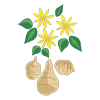
The Jerusalem Artichoke (Helianthus tuberosus) is one of nature’s most successful identity crises. Despite the name, it isn't from Jerusalem, and it isn't an artichoke.
Also known as a Sunchoke, this plant is actually a species of sunflower native to North America. While the flowers are cheerful, the real treasure is buried underground: a knobby, ginger-like tuber with a surprisingly sophisticated flavour.
Appearance and Flavour The Look: Externally, they resemble small, lumpy ginger roots with skin colours ranging from pale brown to rosy pink. Inside, the flesh is crisp, white, and watery, similar to a water chestnut.
The Taste: When raw, they are crunchy and nutty. When cooked, they soften into a creamy texture with a savoury, earthy sweetness that mimics the heart of a globe artichoke.
How To Grow
If you are looking for a plant that practically grows itself, the Jerusalem Artichoke is your best friend (and potentially your permanent neighbour). Because they are so vigorous, the challenge isn't usually getting them to grow—it's convincing them to stop.
Here is how to successfully cultivate a sunchoke patch.
- When and Where to Plant Timing: Plant tubers in early spring as soon as the soil can be worked. They can handle a light frost.
Sun: They love full sun but will tolerate partial shade (though you’ll get fewer tubers).
Location: Choose wisely. These grow 8 to 10 feet tall and will shade out other plants. More importantly, any tiny piece of tuber left in the ground will grow back next year. Many gardeners use dedicated raised beds or "invisible" barriers to keep them from colonizing the whole yard.
- Planting Steps You don't plant seeds; you plant the tubers themselves, just like potatoes.
Selection: Use tubers from a garden centre or even organic ones from the grocery store. Look for firm, healthy "knuckles."
Preparation: You can plant small tubers whole. For larger ones, cut them into pieces, ensuring each piece has at least two "eyes" (buds).
Depth & Spacing: * Plant tubers 4–6 inches deep.
Space them about 12–18 inches apart.
Rows should be about 3 feet apart.
- Care and Maintenance Watering: They are remarkably drought-tolerant once established, but for the best-tasting, plumpest tubers, keep the soil consistently moist.
Support: Because they grow so tall, they can act like a sail in high winds. You may need to stake them or grow them against a fence.
Feeding: They don't require much fertilizer. In fact, too much nitrogen will give you beautiful leaves but tiny, disappointing tubers. A little compost at the start of the season is usually plenty.
- The Harvest This is the part that requires the most patience.
Wait for the Frost: While the flowers are pretty, the flavor of the tubers actually improves after the first or second hard frost. The cold converts some of the inulin into fructose, making them sweeter and easier on the digestion.
The Cut: In late autumn, once the stalks turn brown and die back, cut them down to about 6 inches above the ground.
Digging: Use a garden fork to gently lift the tubers. Be thorough! Whatever you leave behind is next year's crop.
Storage Tip Sunchokes have very thin skins and lose moisture quickly. They don't store as well as potatoes in a warm pantry. It is best to leave them in the ground and only dig them up as you need them throughout the winter, or store them in the refrigerator in a perforated plastic bag for up to two weeks.
Harvesting
Harvesting Jerusalem artichokes is less like picking vegetables and more like a treasure hunt. Since the "fruit" is buried under a massive stalk, timing and technique are everything to ensure you get the best flavor and don't accidentally turn your garden into a permanent sunchoke forest.
- Timing the Harvest Patience is your best ingredient here. While the plant finishes flowering in late summer, the tubers aren't ready yet.
The Frost Rule: Do not harvest until after the first or second hard frost. Cold temperatures trigger a chemical change in the tubers, converting some of the inulin into fructose. This makes them taste significantly sweeter and much nuttier.
The Dying Signal: Wait until the tall stalks have turned completely brown and brittle. This tells you the plant has finished sending energy down into the roots.
- Preparation: "The Mow" Before you start digging, you need to clear the deck.
Cut the thick, woody stalks down to about 6 to 12 inches above the ground.
Why? Leaving a "handle" helps you locate the center of the root mass so you don't accidentally slice through the tubers with your shovel.
- The Extraction Jerusalem artichokes grow in a dense cluster right under the main stem, but they can "travel" outward by a foot or two.
Use a Garden Fork: Avoid a flat spade if possible; a pitchfork or garden fork is less likely to slice the tubers in half.
The Perimeter Start: Start digging about 18 inches away from the base of the stalk. Loosen the soil in a circle moving inward.
The Lift: Gently pry the root ball upward. You’ll see the knobby tubers clinging to the underground stems.
Sifting: Once the main clump is out, run your fingers (or a rake) through the loose soil. These plants are notorious for hiding "bonus" tubers a few inches deeper.
- Post-Harvest Care Unlike potatoes, sunchokes have very thin, delicate skin. They do not "cure" or toughen up in storage, so they require different handling:
Don't Wash Yet: If you aren't eating them immediately, leave the dirt on. It protects the skin from drying out.
Short-Term Storage: Put them in a sealed bag in the vegetable crisper drawer of your fridge. They will stay crunchy for about 2 weeks.
Long-Term Storage: If you have a huge harvest, store them in a box of damp sand or peat moss in a cool, dark place (like a root cellar). This mimics being underground and keeps them fresh for months.
- The "Clean Sweep" (Crucial Step) If you don't want Jerusalem artichokes in that exact spot next year, you must be surgical. Every single piece of tuber left in the ground will sprout a new 10-foot plant in the spring.
Pro Tip: Many gardeners purposely leave 2 or 3 small tubers in the ground to "self-seed" next year's crop. It’s the ultimate low-effort farming.