Whether they are sprawling across a rustic wooden trellis or lined up in precise rows in a world-class vineyard, red grape vines are as much a visual delight as they are a botanical wonder.
Here is a breakdown of what makes these vines so distinctive.
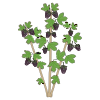
- The Aesthetic of the Vine The red grape vine (Vitis vinifera) is a woody perennial climber known for its vigour and longevity.
The Foliage: The leaves are typically large, heart-shaped, and deeply lobed. While they spend the summer in a vibrant, deep green, many red wine varieties (like Cabernet Sauvignon or Syrah) turn stunning shades of crimson, gold, and burnt orange in the autumn.
The Trunk: As the vine ages, the bark becomes shredded and "shaggy," creating a textured, ancient look that gives vineyards their characteristic character.
The Tendrils: These are the vine's "hands." They are thin, wiry structures that wrap tightly around anything they touch, allowing the vine to climb toward the sunlight. +1
- The Fruit: From Green to Garnet The most fascinating part of a red grape vine’s life cycle is the transformation of the fruit.
Veraison: This is the pivotal moment in the summer when the hard, green berries begin to soften and change colour. For red grapes, they transition through shades of pink and violet before settling into a deep purple, midnight blue, or ruby red.
The Skin: Unlike white grapes, red grape skins are packed with anthocyanins (natural pigments) and tannins. This is where all the colour and "grip" of a red wine comes from; the juice inside most red grapes is actually clear!
The Bloom: You’ll often see a "waxy" or dusty silver coating on the grapes. This is a natural yeast-trapping layer called the bloom, which protects the fruit from moisture loss.
- Growth Habits and Environment Red grape vines are remarkably resilient but have specific "preferences" to produce high-quality fruit:
Sun-Seekers: They require full sun to develop the sugars and polyphenols necessary for flavour.
Well-Drained Soil: They "dislike" having wet feet. Often, the best red grapes come from rocky or sandy soils where the vine has to struggle slightly, forcing it to put its energy into the fruit rather than just growing more leaves.
Longevity: A well-tended red grape vine can produce fruit for over 50 to 100 years, with "Old Vine" varieties often prized for their concentrated flavours.
Fun Fact: The deep red colour of the leaves in the fall is often a hint of the pigment levels in the grapes themselves. It’s the vine’s way of showing its true colours before going dormant for the winter.
How To Grow
Growing red grape vines is a rewarding long-game. While they require some patience—usually taking about three years to produce a significant harvest—the process is straightforward if you get the foundation right. Here is a step-by-step guide to getting your vines off the ground.
-
Timing and Location When to Plant: Plant bare-root vines in early spring as soon as the soil can be worked, but before they start budding out. The Sun: You need a spot with full sun (at least 7–8 hours a day). Less sun means lower sugar content and a higher risk of mildew. The Soil: Grapes aren't picky about fertility, but they demand drainage. Avoid "wet spots" in the yard. A slightly acidic to neutral soil (pH 6.0 to 7.0) is ideal.
-
Support and Spacing Grapes are heavy climbers; you cannot grow them without a plan for support. Structure: Install a sturdy trellis, fence, or arbour before you plant. Spacing: If planting multiple vines, space them about 6 to 10 feet apart. They need plenty of airflow to prevent disease.
-
Planting the Vine Preparation: Soak the roots of bare-root vines in water for 2–3 hours before planting. The Hole: Dig a hole roughly 12 inches deep and 12 inches wide. Planting: Trim any broken roots. Set the vine in the hole slightly deeper than it grew in the nursery. Refill: Cover the roots with soil and pack it down firmly to eliminate air pockets. Do not add fertilizer directly into the hole, as it can burn young roots.
-
The "Cruel" First Year This is the hardest part for most gardeners: The Cut: After planting, prune the vine back to just two or three strong buds. This feels counterintuitive, but it forces the plant to grow a massive, healthy root system rather than trying to support too much foliage. Watering: Keep the soil consistently moist (but not soggy) during the first year.
-
Training and Pruning Grapes produce fruit on one-year-old wood (canes that grew the previous summer). The Trunk: In the first year, pick the strongest shoot and tie it to your support to become the main trunk. Winter Pruning: This is vital. Every winter while the vine is dormant, you should prune away 70% to 90% of the previous year's growth. If you don't prune heavily, the vine will become a tangled mess of leaves with very little fruit.
Harvesting
Harvesting red grapes is the "moment of truth." Unlike many other fruits, grapes do not continue to ripen or get sweeter once they are picked. If you harvest them too early, they stay tart; if you wait too long, they can become shrivelled or attract every wasp in the neighbourhood. Here is how to time and execute the perfect harvest.
-
Identifying the "Peak" Moment Colour is a great indicator, but it isn't everything. A grape can turn purple weeks before it is actually sweet. Use these three tests: The Taste Test (Most Reliable): Pick a grape from the very bottom of a cluster (these ripen last). It should be sweet, full-flavored, and have very little mouth-puckering tartness. The Seed Check: If you bite into a grape, the seeds should be dark brown and crunchy, not green and soft. The Texture: Ripe grapes will feel slightly "plump" and give a little when squeezed, rather than being rock-hard. The stems of the clusters often turn from green to woody brown when the fruit is ready.
-
Tools of the Trade Don't just pull the clusters off the vine—you risk damaging the "fruiting wood" for next year or bruising the fruit. Pruning Shears: Use a sharp, clean pair of bypass pruners or specialized grape snips. Clean Buckets: Use shallow containers or crates. If you pile too many clusters on top of each other, the bottom ones will crush under the weight.
-
The Harvesting Process Time of Day: Harvest in the cool of the early morning. Grapes picked in the heat of the afternoon have higher respiration rates and will spoil or ferment much faster. The Cut: Support the cluster with one hand and snip the thick stem (the peduncle) where it meets the vine. Sorting: Remove any "mummies" (shrivelled, dried-out grapes) or mouldy berries immediately so they don't contaminate the rest of the bunch.
Pro Tip: Keep an eye on the birds! As grapes reach peak sugar levels, birds will often attack the crop. If you see them circling, it's either time to harvest immediately or cover your vines with bird netting for the final stretch.