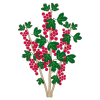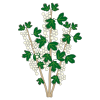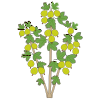
If grapes had a rebellious, slightly more intellectual cousin, it would be the gooseberry. These little gems are the unsung heroes of the berry world—tart, versatile, and possessing a unique character that sets them apart from the typical sweetness of strawberries or blueberries.
Appearance and Texture Gooseberries are roughly the size of a large marble. They are most commonly seen in a translucent pale green, often decorated with delicate longitudinal veins that make them look like tiny, glowing lanterns. Depending on the variety, they can also ripen into shades of deep red, purple, or even golden yellow.
Their skin is thin but taut, sometimes smooth and sometimes covered in tiny, soft "hairs" (bristles). When you bite into one, you get a satisfying pop followed by a succulent, jelly-like interior filled with minuscule, edible seeds.
The Flavor Profile The gooseberry is famous for its vibrant acidity. It isn't just "sour"—it’s complex.
Green Gooseberries: These are the "sour power" version, offering a sharp, bracing tartness reminiscent of green apples, lemons, and a hint of muscat grape.
Red/Purple Gooseberries: As they ripen and darken, the sugar content increases, resulting in a much sweeter, mellower flavour that edges toward plum or apricot.
Culinary Uses Because of their high pectin content and natural sharpness, they are a dream for cooking:
Preserves: They make world-class jams and jellies.
Desserts: The classic "Gooseberry Fool" (folded into whipped cream) is a British staple. They also hold their shape beautifully in crumbles, tarts, and pies.
Savory Pairings: Their acidity acts like a citrus squeeze, making them a traditional accompaniment to fatty meats like mackerel, duck, or pork.
A Bit of Trivia The Gooseberry Glitch: In the early 20th century, the U.S. actually banned gooseberries and currants because they were hosts for a fungus that threatened the white pine timber industry. While the federal ban was lifted in 1966, some states still have restrictions, which is why they aren't as common in American supermarkets as they are in Europe.
How To Grow
Growing gooseberries is surprisingly straightforward—they are hardy, self-pollinating, and remarkably "undemanding" compared to other soft fruits. In fact, since it is currently February, you are in the perfect window to plant bare-root bushes before they wake up for spring. Here is your step-by-step guide to going from a twig in the ground to a bowl of berries.
-
Choose Your Variety Culinary (Cooking): Varieties like 'Invicta' or 'Careless' are prolific and tart, perfect for jams and crumbles. Dessert (Eating fresh): Varieties like 'Hinnomaki Red' or 'Whinham’s Industry' turn sweet and succulent when fully ripe. Space-Savers: If you have a small patio, look for "cordons" (single upright stems) that can be grown in large pots or against a fence.
-
Find the Right Spot Gooseberries aren't fussy, but they have preferences: Sun: Full sun is best for sweet dessert berries, but they are one of the few fruits that will still produce well in partial shade. Soil: They love well-drained, fertile soil. Avoid spots where water sits in puddles after rain. Shelter: While hardy, their early spring blossoms can be damaged by late frosts, so a sheltered corner is ideal.
-
Planting (The February Window) If you buy a bare-root plant (it looks like a bundle of sticks and roots), now is the time to plant. Prep: Soak the roots in a bucket of water for about an hour before planting. Dig: Dig a hole twice the width of the roots and about a foot deep. Mix in some well-rotted manure or compost. Position: Look for the "soil mark" on the stem (where it was previously in the ground). Plant it at that same depth. Fill: Backfill with soil, firming it down with your heel to remove air pockets. Space: If planting multiple bushes, keep them about 1.5 meters (5 feet) apart.
-
Ongoing Care Mulching: Every spring, apply a thick layer of compost or bark around the base (but not touching the stem) to keep moisture in and weeds out. Watering: Young plants need regular watering in their first year. Once established, they only need a drink during very dry spells. The "Goblet" Prune: Every winter (like right now!), prune the branches to create an open centre (like a wine glass). This improves airflow (preventing mildew) and makes picking the fruit much easier on your hands.
Pro-Tip: Birds love gooseberries as much as humans do. Once the berries start to change colour, cover your bush with a net, or they’ll be gone before you can grab your colander!
Harvesting
Gooseberries are unique because they offer a "double harvest"—you can pick them twice for two completely different culinary experiences. Here is how to harvest like a pro without losing your skin to the thorns.
-
The Essential Gear Gooseberry bushes are notoriously prickly. Before you head out, grab: Thick Gloves: Leather or heavy-duty gardening gloves are best to protect against the sharp spines. Long Sleeves: Even with gloves, the inner branches can scratch your forearms. A Shallow Basket or Colander: Avoid deep buckets; the weight of the top berries can crush the delicate ones at the bottom.
-
Stage One: The "Green" Harvest (Early to Mid-June) This is for culinary use (cooking and preserving). The Goal: To "thin" the crop. By removing half the berries now, the remaining ones will grow much larger and sweeter. What to look for: Pick the berries when they are full-sized but still rock-hard and bright green. How to pick: Gently tug the berry; it should snap off with the "nodding" stem attached. Best for: Pies, jams, and tarts where you want that signature tart "zing."
-
Stage Two: The "Dessert" Harvest (July to August) This is for fresh eating. The Goal: Maximum sweetness and juice. What to look for: The berries will have changed colour (to translucent yellow or deep red/purple depending on the variety). They should feel slightly soft when squeezed gently between your fingers—like a ripe grape. The Taste Test: The best way to know is to pop one in your mouth. If it's sweet and the skin is thin, it's ready. How to pick: These are delicate. Cradle the berry and give it a slight twist to avoid tearing the skin.
-
Post-Harvest: "Topping and Tailing" Before you eat or cook them, you need to "prep" the berries. Wash the berries in cold water. Use a pair of kitchen scissors (or your fingernails) to snip off the dried flower remnant at the bottom (the "tail") and the stalk at the top (the "top"). If you have a large harvest, you can freeze them whole after topping and tailing—they freeze beautifully and don't need to be blanched.