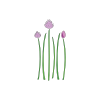
Alliums are a diverse and striking group of flowering bulbs that belong to the same genus as onions, garlic, chives, and leeks. Known for their distinctive globe-shaped flower heads made up of dozens — sometimes hundreds — of tiny star-shaped florets, they bring bold architectural interest to any garden setting. These hardy perennials typically bloom in late spring to early summer, with colours ranging from vibrant purples and blues to whites and soft pinks.
In addition to their ornamental appeal, alliums emit a mild onion or garlic scent when their foliage is crushed, which can help deter certain pests and makes them a practical companion plant for natural garden defence. They are generally low-maintenance, drought-tolerant once established, and thrive in well-drained soil with plenty of sunshine.
Popular varieties include Allium giganteum, one of the tallest with large violet spheres reaching up to 1.2 m, and Allium 'Purple Sensation', prized for its rich deep colour and medium height. Allium christophii (Stars of Persia) produces unusually large, spiky heads that dry exceptionally well.
Whether planted in borders, rock gardens, cottage-style beds, or used as cut or dried flowers, alliums add unique texture, height, and form, making them a firm favourite among gardeners and landscape designers alike. They naturalise readily and, once established, will return year after year with minimal care.
How To Grow
Choosing the Right Location
Alliums thrive in full sun — aim for at least 6 hours of direct sunlight per day. Well-drained soil is essential; waterlogged conditions will cause the bulbs to rot. If your soil is heavy, improve it by incorporating horticultural grit or coarse sand before planting.
Planting Time
Ornamental allium bulbs are typically planted in autumn, several weeks before the ground freezes hard. This allows roots to establish over winter so the plant is ready to burst into growth in spring. In milder climates, they can sometimes be planted in late winter, though autumn planting gives the best results.
Planting the Bulbs
- Depth: Plant bulbs at a depth of approximately 2–3 times the bulb's diameter — usually around 8–12 cm deep.
- Spacing: Space bulbs 15–30 cm apart depending on the variety; larger cultivars need more room.
- Orientation: Always plant with the pointed end facing upward.
Watering
Water thoroughly after planting to settle the soil and encourage root development. During the growing season, alliums need only moderate watering — allow the soil to dry slightly between waterings. Overwatering is the most common cause of failure.
Ongoing Care
- Mulching: A light layer of mulch helps retain moisture and suppress weeds, especially through the winter months.
- Feeding: Apply a balanced, slow-release bulb fertiliser in early spring as growth emerges.
- Support: Taller varieties may benefit from light staking in exposed or windy positions.
After Flowering
Once blooms fade, allow the foliage to die back naturally — this is essential for the bulb to store enough energy for next year's display. The foliage can be unsightly; plant lower perennials or annuals in front to disguise it. Dried seed heads are architecturally attractive and can be left on the plant through late summer.
Division and Propagation
Lift and divide congested clumps every 3–4 years in autumn to maintain vigour. Offsets (small bulblets) can be separated and replanted. Alliums also self-seed readily if flower heads are left in place.
Harvesting
Harvesting as Cut Flowers
Ornamental alliums make excellent long-lasting cut flowers. Harvest when the flower heads are fully open but still fresh and vibrant — typically in late spring to early summer. Cut stems early in the morning when the plant is well-hydrated, using clean, sharp garden scissors or pruners. Cut as close to the base of the stem as possible. Place stems immediately into a bucket of clean water.
Note: The stems and leaves emit a mild onion scent when cut, which dissipates once the plant material dries. This is normal and not a sign of any problem.
For Dried Arrangements
Allium flower heads are among the best flowers for drying and retain their architectural shape beautifully.
- Cut stems just before or as the florets fully open.
- Remove any foliage from the stems.
- Bundle a few stems loosely together and hang them upside down in a warm, dry, well-ventilated location out of direct sunlight.
- After 2–4 weeks, the heads will be fully dried and ready for use in dried floral arrangements, wreaths, or displays.
Dried allium heads can last for many months and are popular in both contemporary and traditional interior design settings.
Leaving Heads on the Plant
If you are not harvesting for arrangements, leaving the spent flower heads on the plant through summer and into autumn adds continued ornamental interest. They also provide food for birds and allow the plant to self-seed, gradually naturalising in suitable garden conditions.
Common Problems
Common Problems with Ornamental Alliums
Bulb Rot
The most frequent issue, caused by planting in poorly drained soil or overwatering. Prevention: Always plant in well-drained soil; incorporate grit if necessary. Avoid watering once foliage begins to die back naturally.
White Rot (Sclerotium cepivorum)
A persistent fungal disease that affects allium family plants, causing yellowing foliage and a white fluffy fungal growth at the bulb base. Infected soil can remain contaminated for many years. Prevention: Avoid planting alliums in the same spot repeatedly. Remove and dispose of infected plant material — do not compost it.
Allium Leaf Miner (Phytomyza gymnostoma)
The larvae of this small fly tunnel into leaves and bulbs, causing streaky, pitted damage. Affected plants may also become vulnerable to secondary fungal infections. Control: Cover plants with fine insect-proof mesh during adult fly activity periods. Remove and destroy affected plant material.
Onion Thrips (Thrips tabaci)
These tiny insects cause silver-streaked or mottled foliage. They are particularly prevalent in hot, dry weather. Control: Encourage natural predators such as lacewings and ladybirds. In severe cases, an appropriate insecticidal spray may be used.
Slugs and Snails
Young emerging shoots in spring can be targeted by slugs and snails. Control: Use physical barriers, copper tape, or organic slug pellets around vulnerable new growth.
Foliage Dieback
It is completely normal for allium foliage to look untidy and die back after flowering. This is part of the plant's natural cycle and should not be mistaken for disease. Allow it to complete naturally.